
Simular
Fully customisable process-development reaction calorimeter
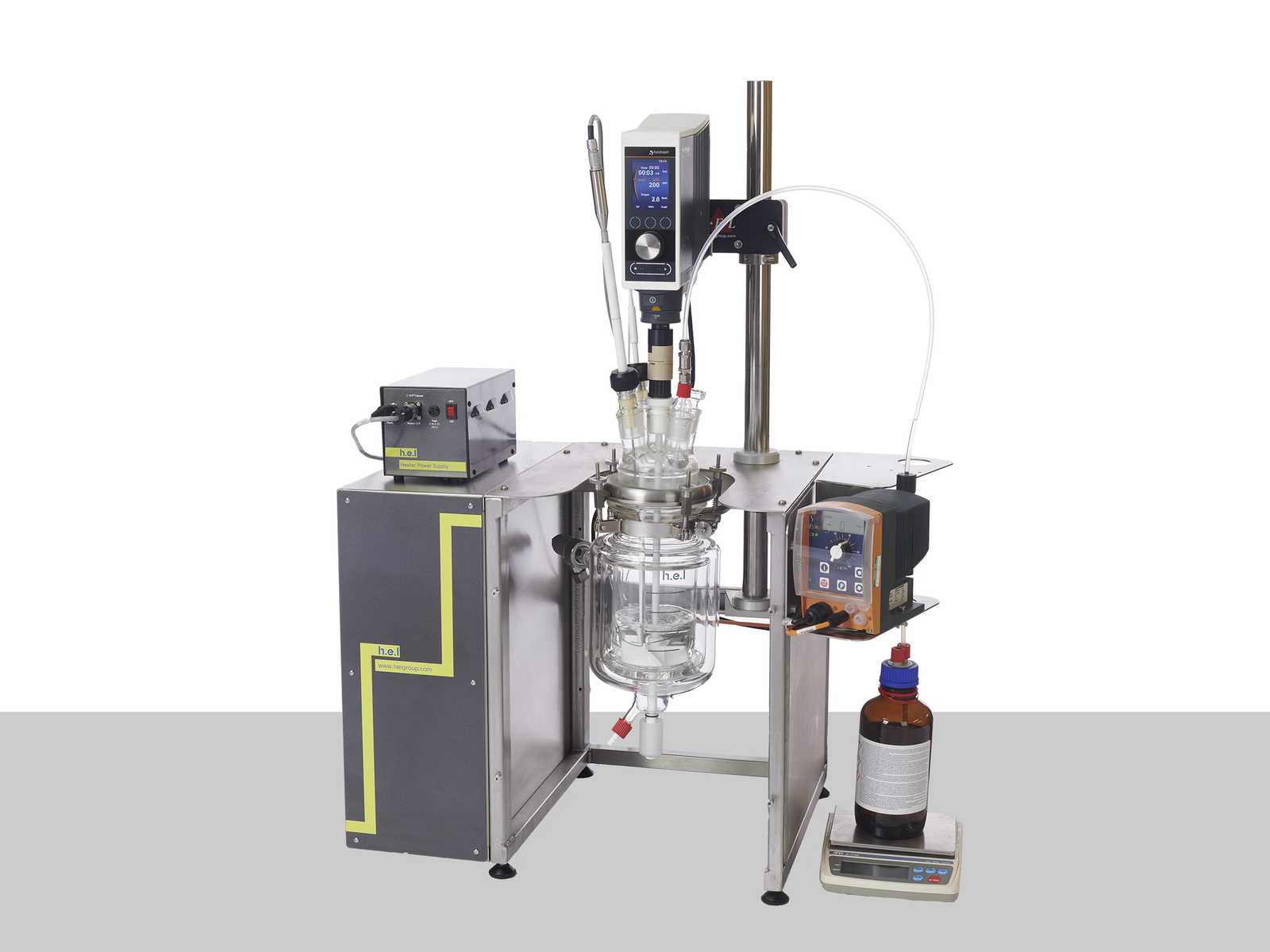
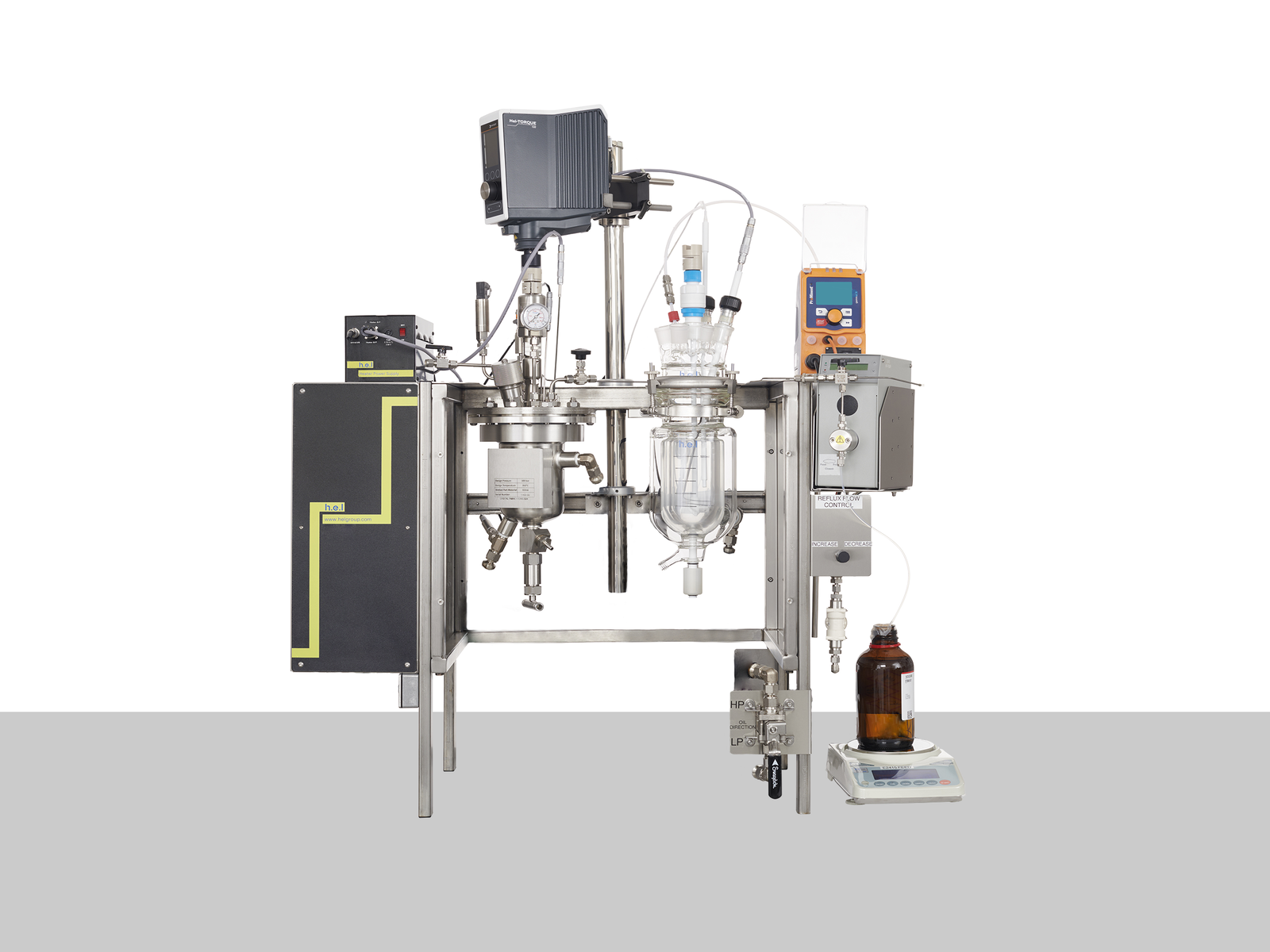
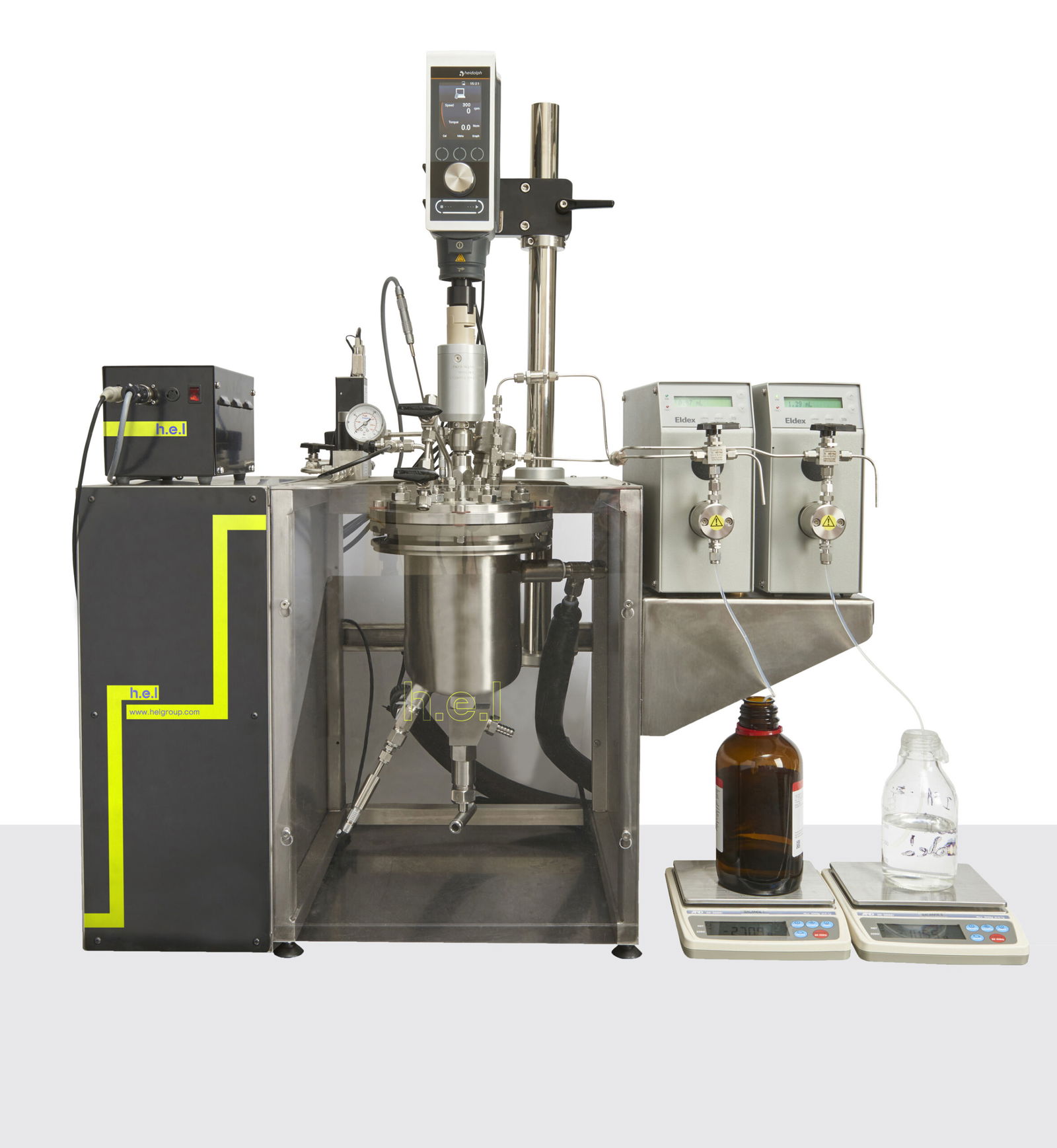
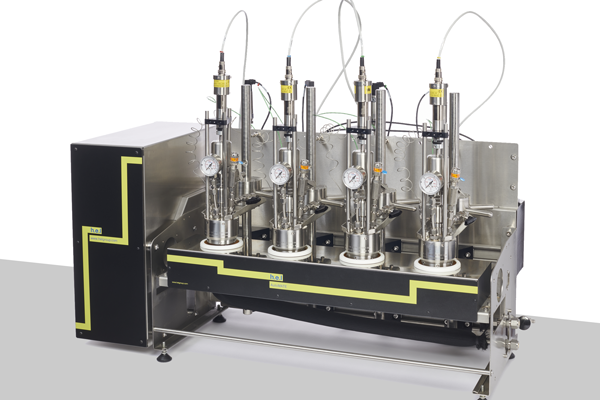
A highly configurable reaction calorimeter that excels at optimizing process conditions and determining safer reaction conditions, with dual reactor options for added flexibility. Alongside traditional heat-flow calorimetry, Simular offers power-compensation calorimetry — skipping time-consuming calibration to screen more conditions — making it ideally suited to process safety and scale-up of the most varied and demanding reactions.
Overview
Accurate Measurement of Reaction Heat and Cooling Demand
By quantifying reaction power and heat release, Simular enables users to determine cooling requirements and assess process safety. It can also be used to estimate accumulation of unreacted material and potential adiabatic temperature rise.
Designed to Reflect Real Process Conditions
Built around a stirred, jacketed reactor, Simular allows precise control of temperature, feeds, and operating conditions. This enables realistic simulation of batch and semi-batch processes under laboratory conditions.
Flexible Calorimetry and Process Control
Supporting multiple calorimetry methods and a wide range of configurations, Simular adapts to different chemistries and process requirements. Its integration with probes, feeds, and automation tools provides deeper insight into reaction behavior.
Key specifications
| Typical applications | Process safety, process scale-up, process development and optimization |
|---|---|
| Vessel material | Glass, 316 stainless steel or Hastelloy C276 |
| Vessel volume | 250 mL to 5 L |
| Dual vessel | Optional — typically an ambient-pressure glass vessel plus a high-pressure metal vessel, with a larger dual frame and switching between reactors |
| Temperature range | −80 to 250 °C (reactor material / circulator dependent) |
| Pressure range | Vacuum to 100 bar (optional up to 200 bar, depending on reactor volume & material) |
| Calorimetry modes | Power-compensation and heat-flow (isothermal); optional reflux and isoperibolic |
| Sensors | Temperature, pressure, pH, turbidity and more; third-party probes (in-situ FTIR, particle sizing, Raman) |
| Safety features | Automatic, user-configurable shutdown if a safety condition is exceeded |
Applications
Software, control & safety
Simular runs on H.E.L’s WinISO software designed for both advanced users and beginners — a customizable interface with real-time sensor readings, feedback loops and user-defined experiment plans, shared across the H.E.L process-safety range to save time on training.
Automatic, user-configurable shutdown procedures protect the operator if a safety condition is exceeded.
Watch the Simular in action
A full walkthrough from our application specialists — no form, no sign-up.

Prefer YouTube? Watch on our channel →
Frequently asked questions
What is Simular used for?
What calorimetry modes does it offer?
What temperature and pressure can it reach?
What vessels are available?
How does it support process safety?
Is it customisable to my process?
Selected publications
Simular features in many peer-reviewed studies — these are just three. Subscription or purchase may be required for full access. View all publications →
Technical literature
- Creating Process Safety Data Sheets for Safe Scale-Up in Pharma/API Production
- Calorimetric analysis of CO₂ absorption in an aqueous N-methyldiethanolamine solution using H.E.L.’s Simular
- Comparison of different calorimetry methodologies using Simular reaction calorimeter
- Calorimetry: heat-flow versus power-compensation methods
Explore the process safety range
Related reading
Ready to make your process safer?
Talk to a process-safety specialist about reaction calorimetry, scale-up and thermal hazards.
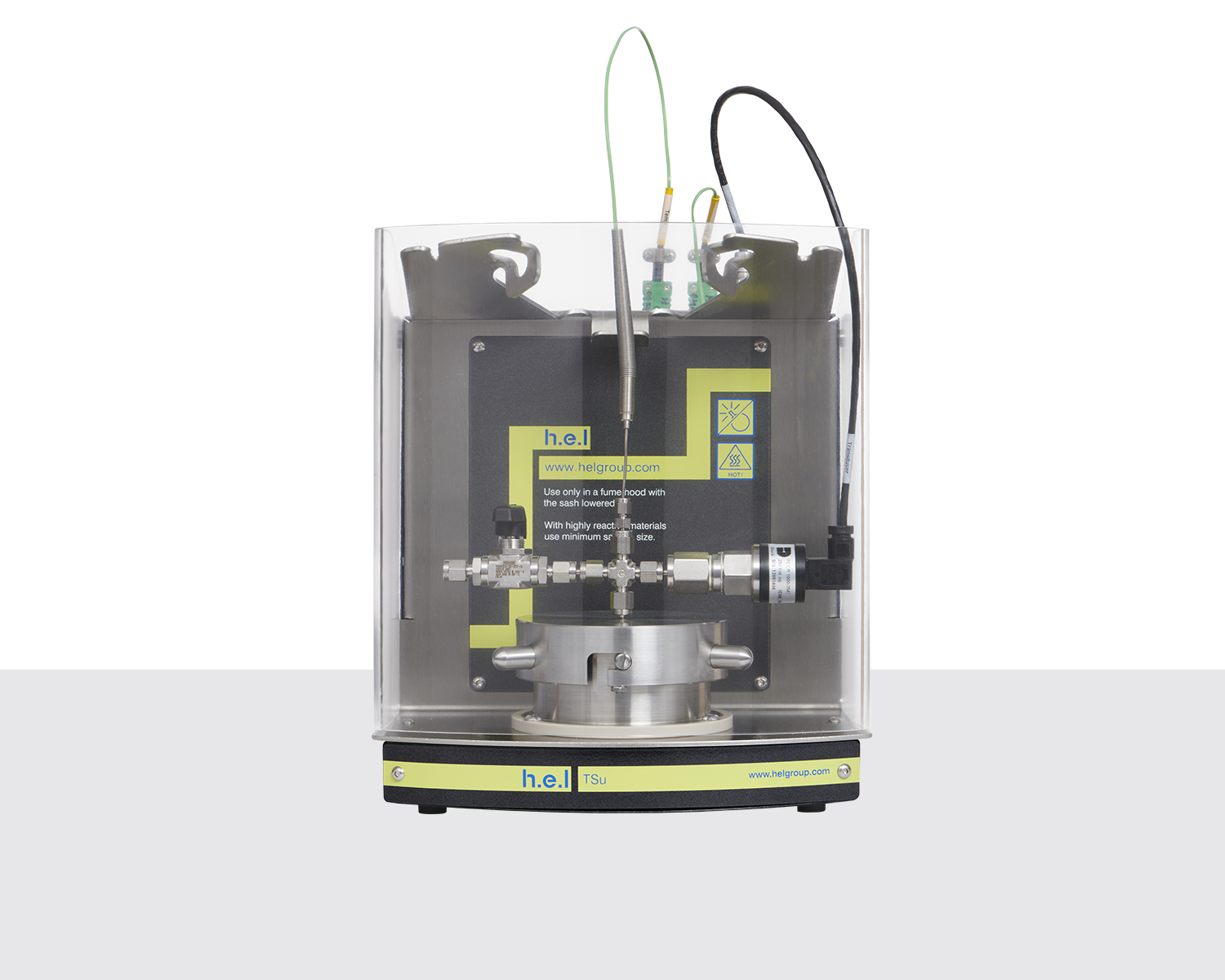
“The versatility of the automated lab reactors, the ease of use and the accuracy of the TSu and Simular systems… made my work much easier and accurate. This readiness to accommodate each customer’s specific needs gives H.E.L the edge over their competitors.” — Theravance Inc, USA
Simular Reaction Calorimeter Brochure
Chemical Synthesis Specifications