
Process Safety and Scale-Up Systems
Thermal screening, reaction calorimetry and adiabatic calorimetry — identify and mitigate thermal and pressure hazards from the first screen of a new route through to vent sizing for scale-up. Five instruments, one WinISO platform.
Not sure which? Compare the range side by side ↓
Thermal & pressure hazard screening
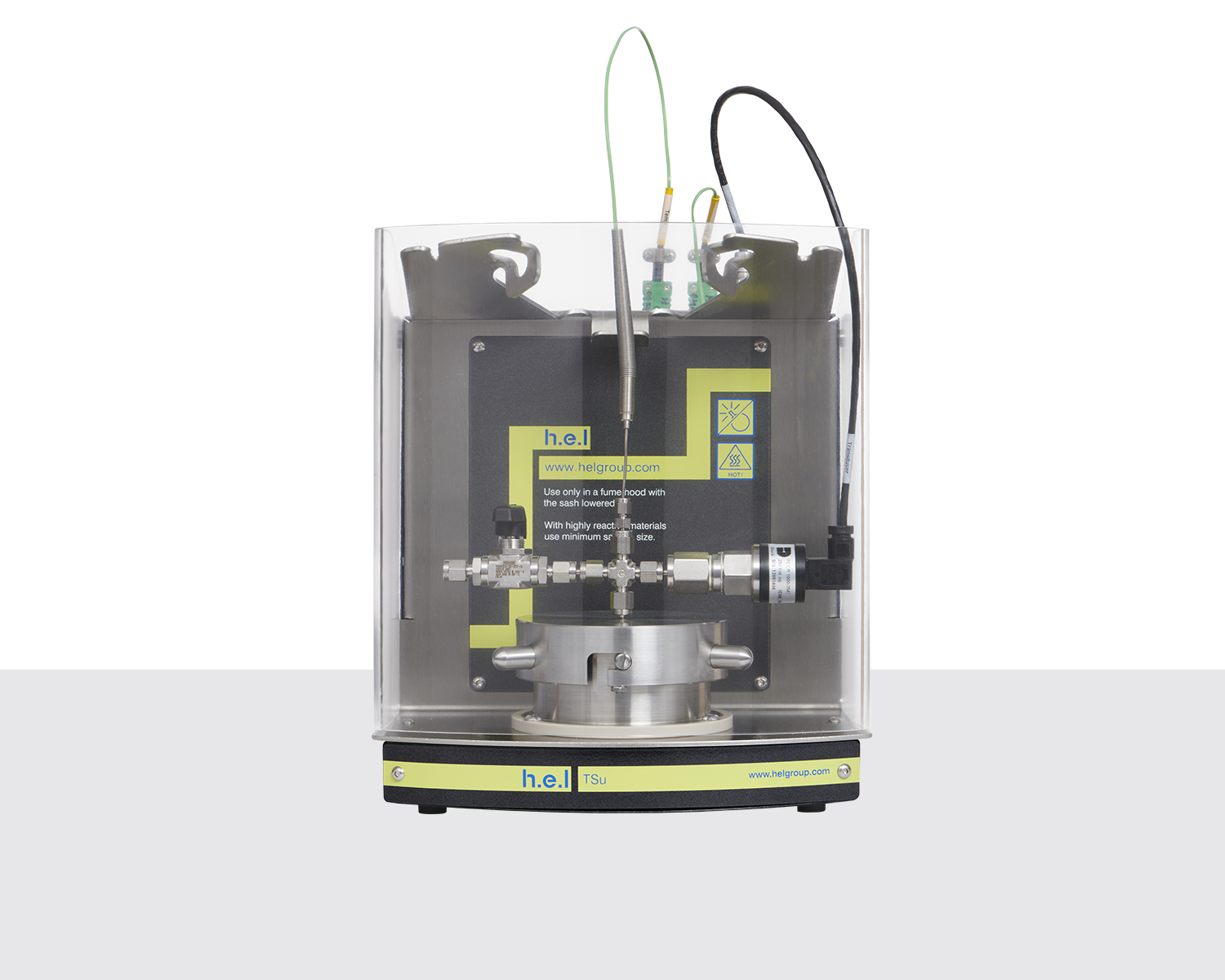
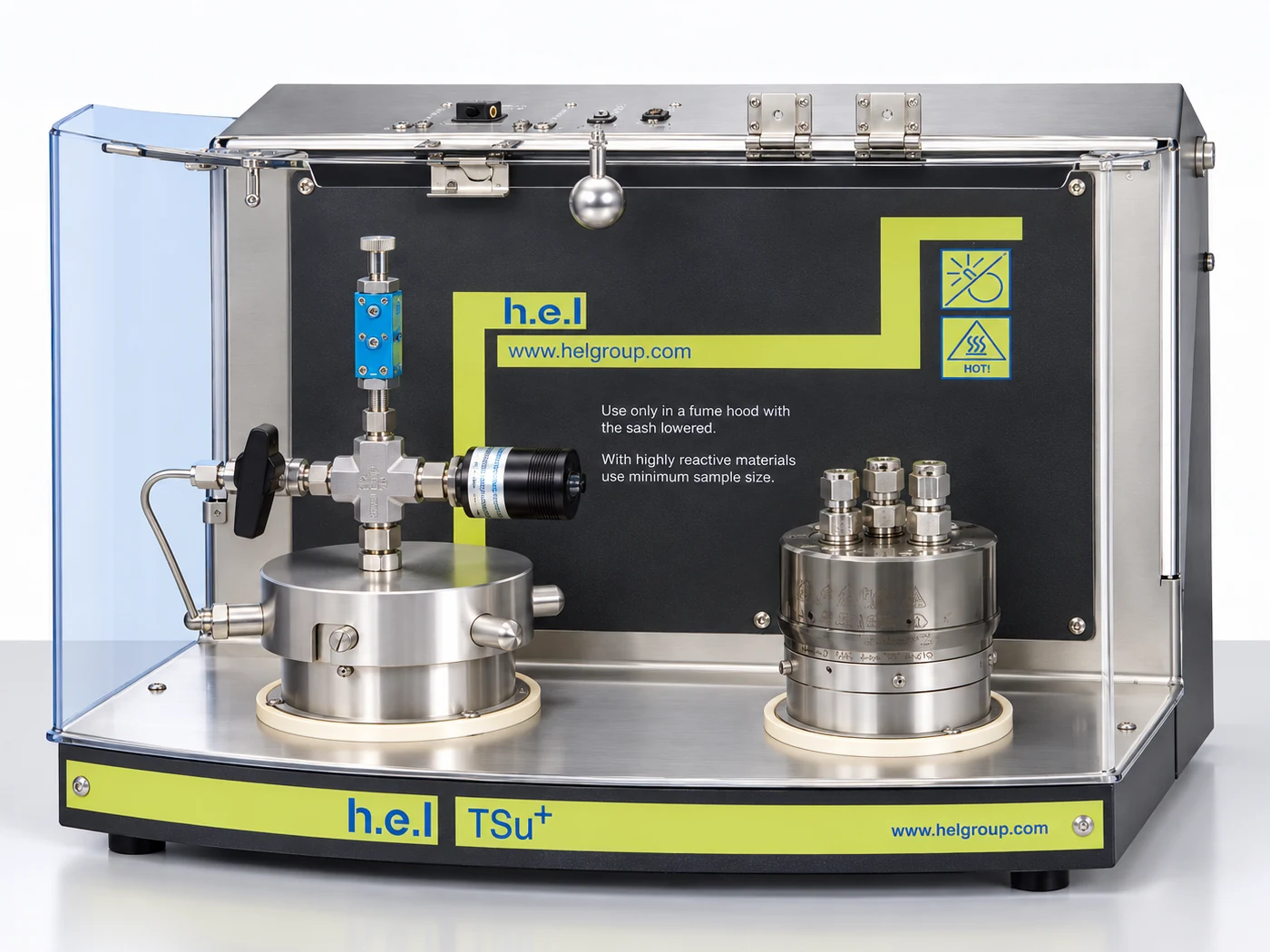
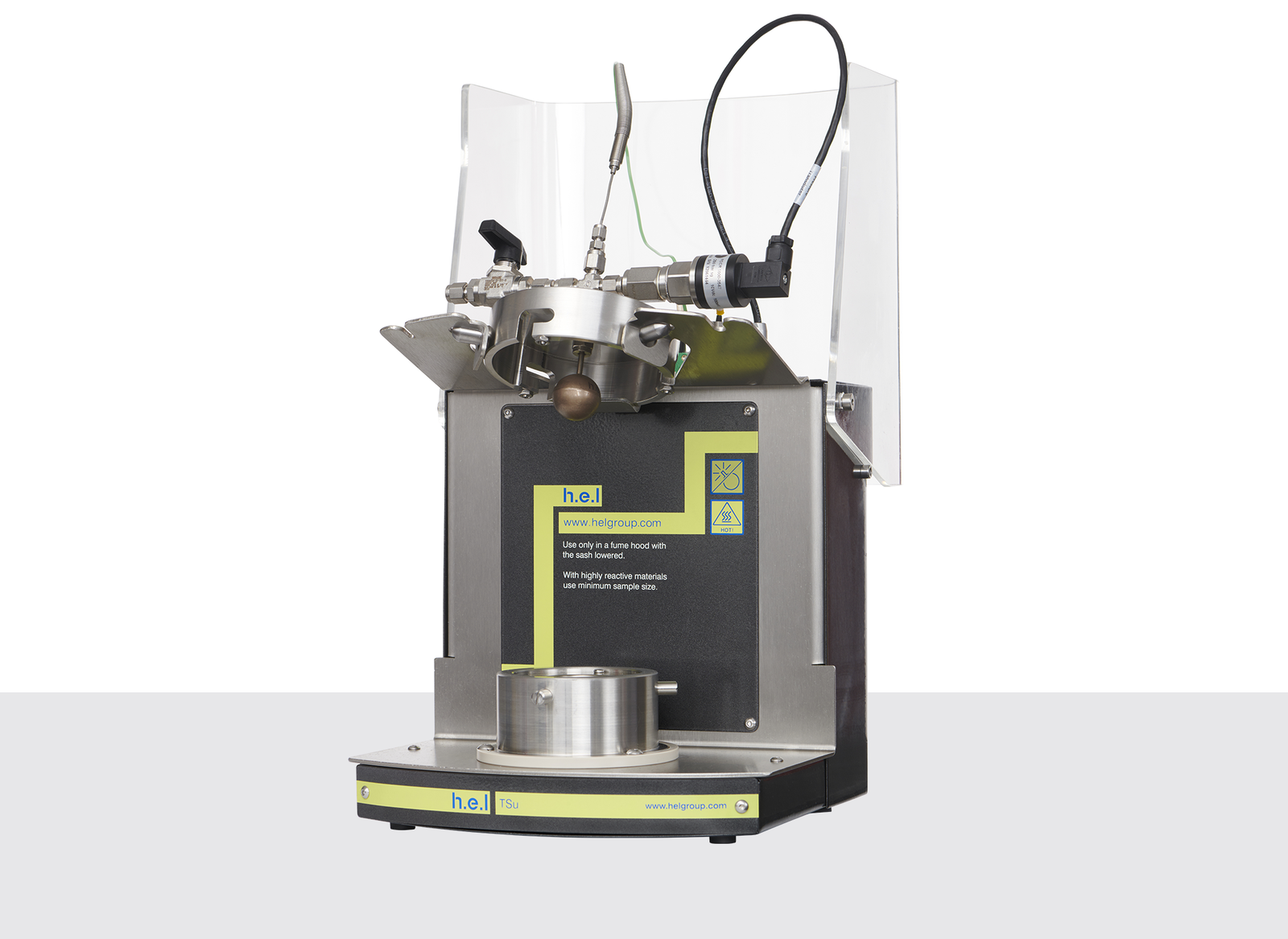
TSu & TSu+ — rapid screening on 0.5 – 10 mL representative samples, measuring temperature and pressure together. The TSu+ adds an open-cell vent evaluation unit on the same bench.
Read more ↓Reaction calorimetry
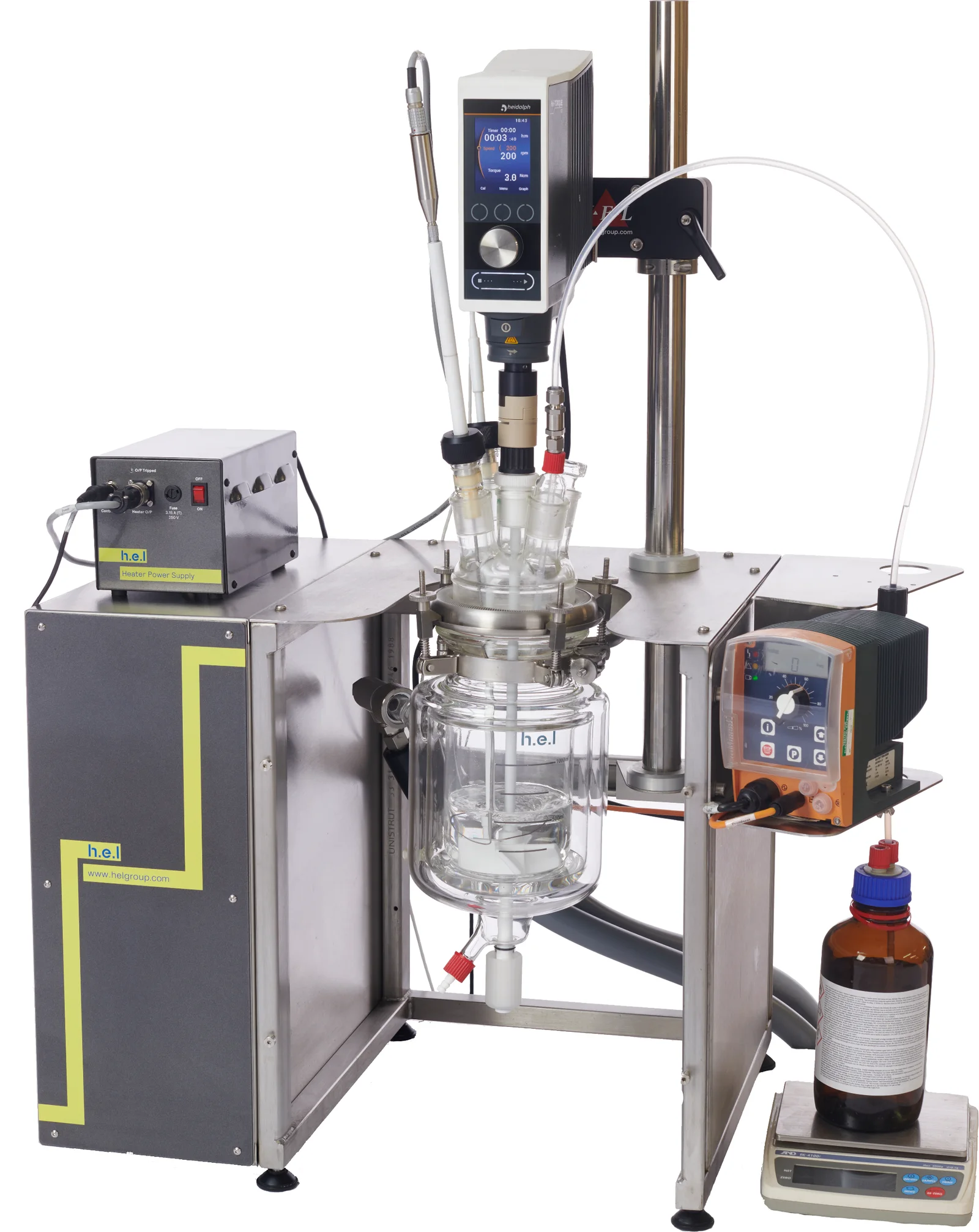
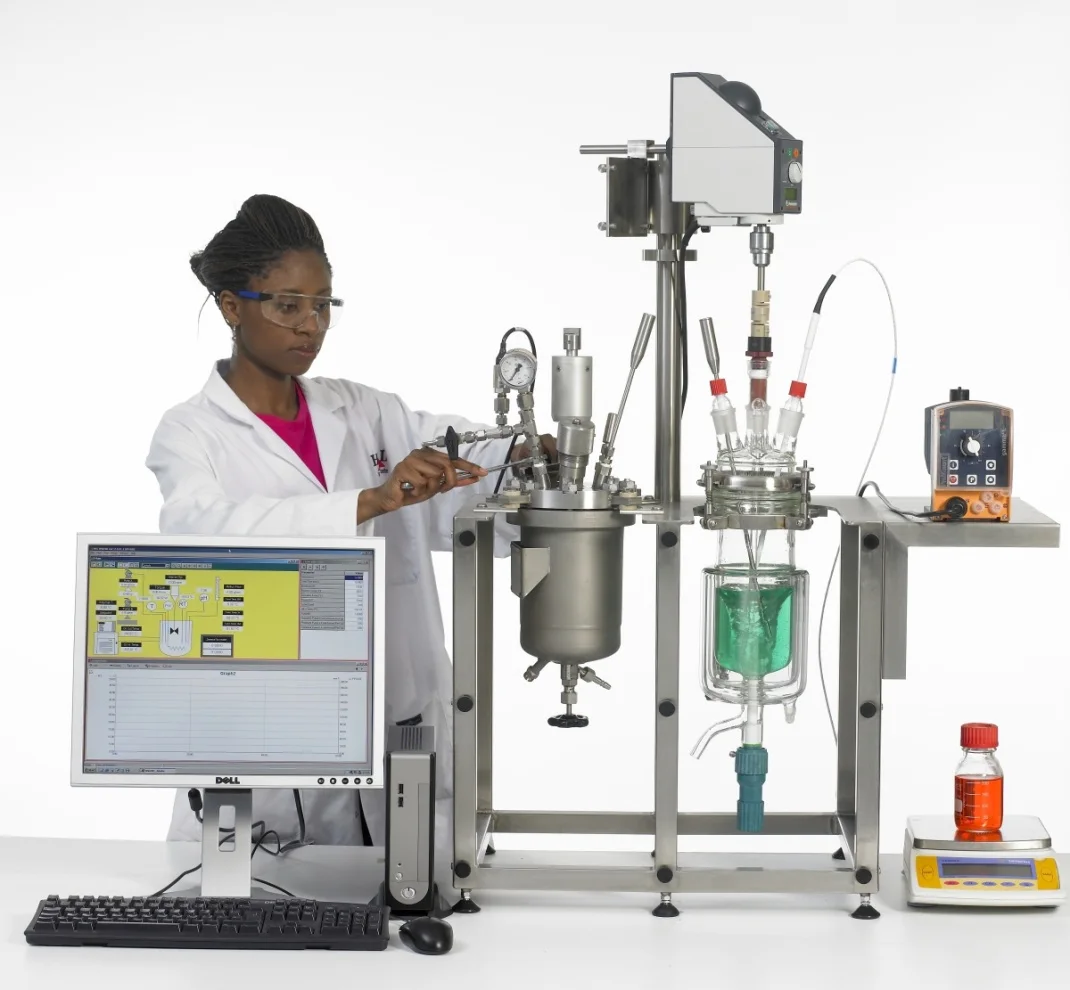
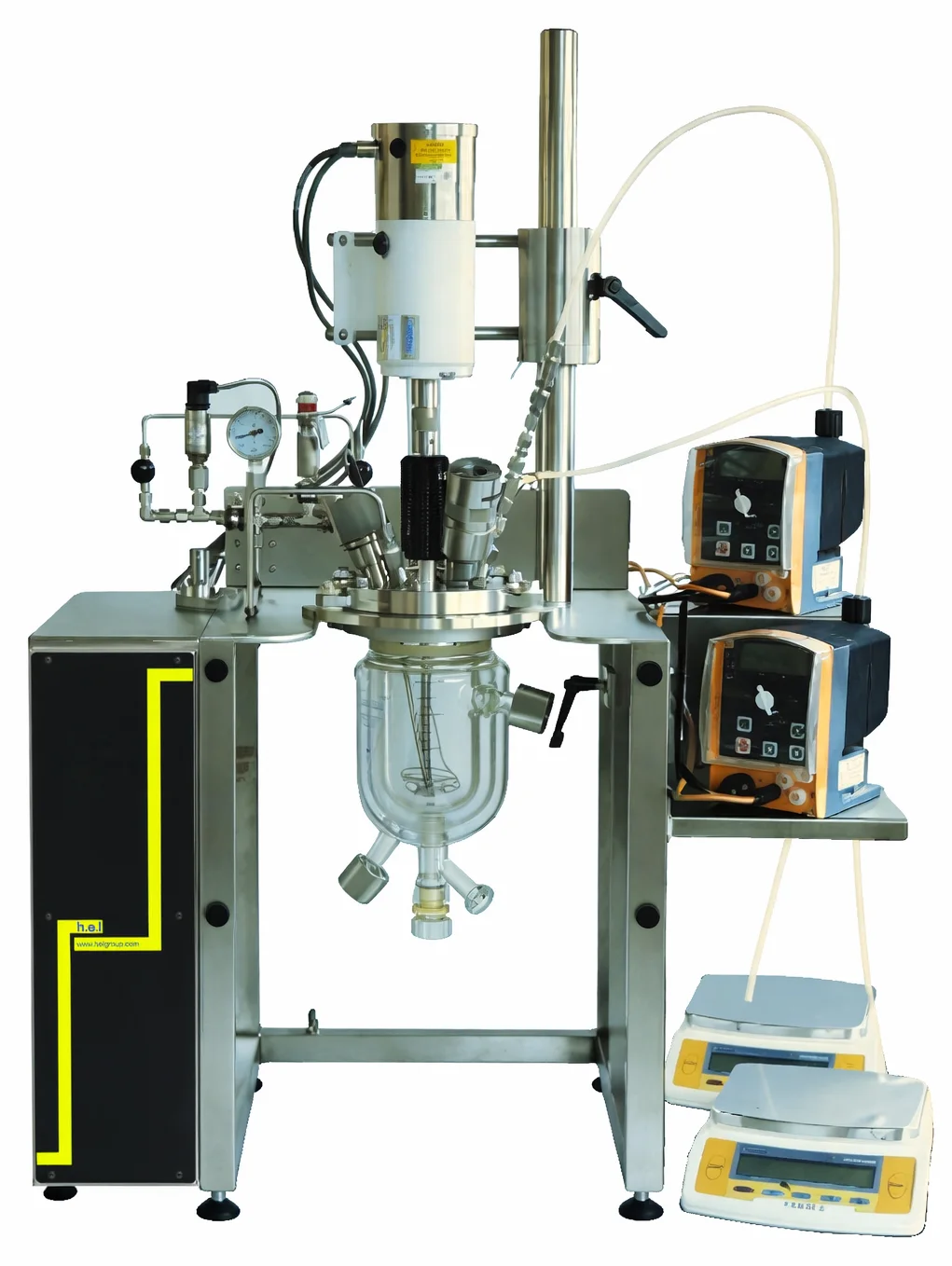
Simular — a highly configurable reaction calorimeter, 250 mL to 5 L, with power-compensation and heat-flow modes to measure reaction heat, cooling demand and accumulation.
Read more ↓Adiabatic (ARC-type) calorimetry & vent sizing
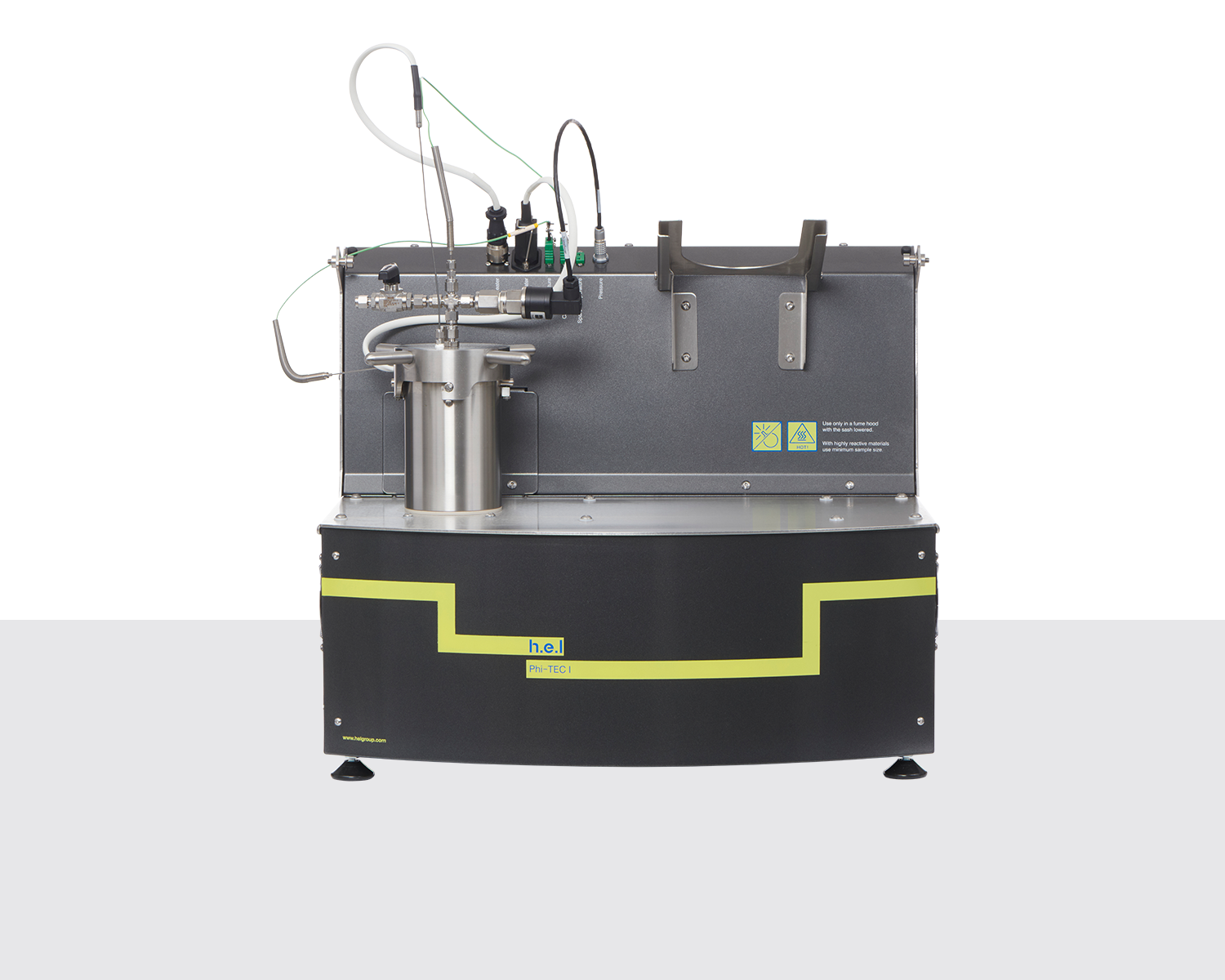
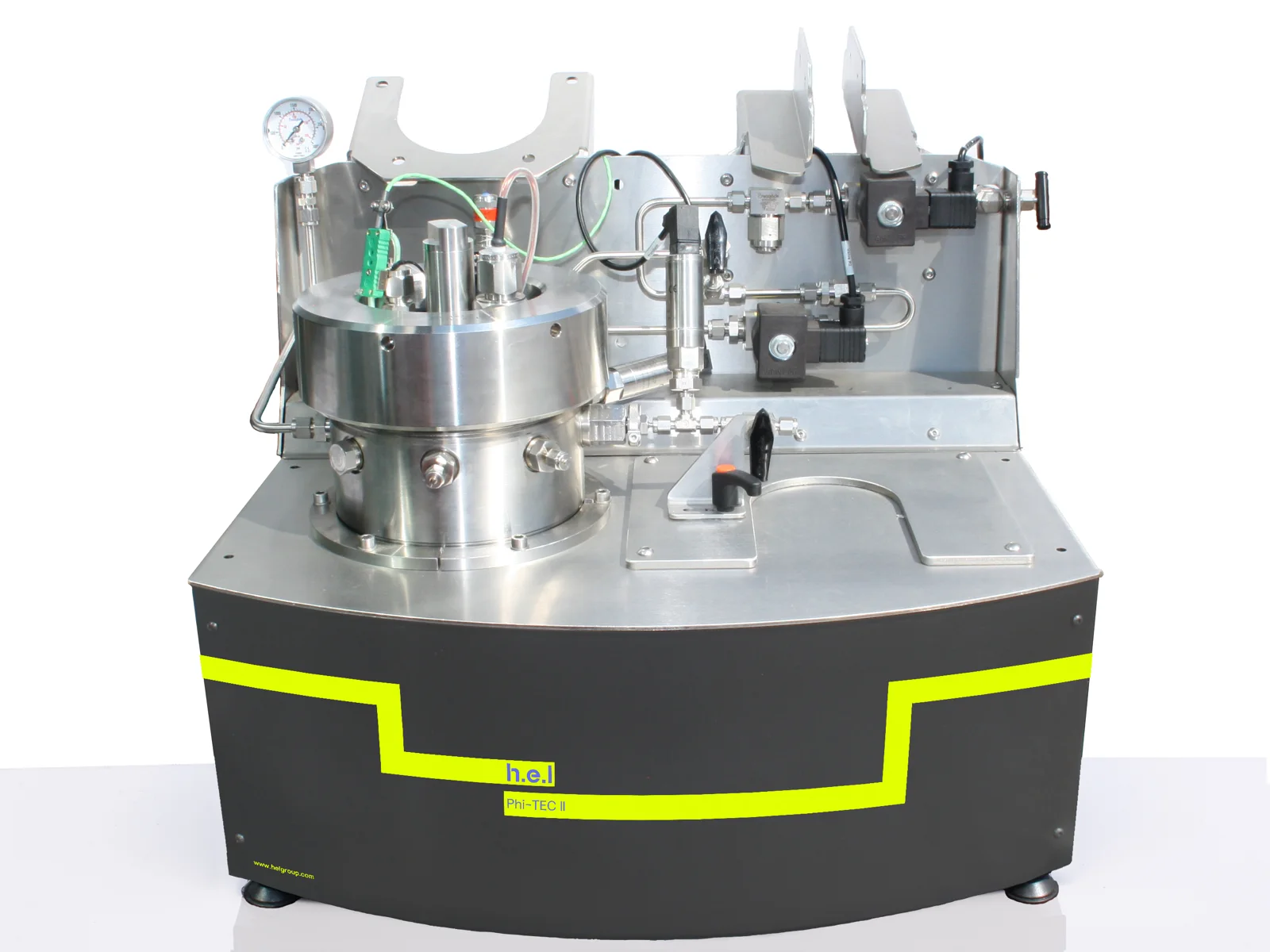
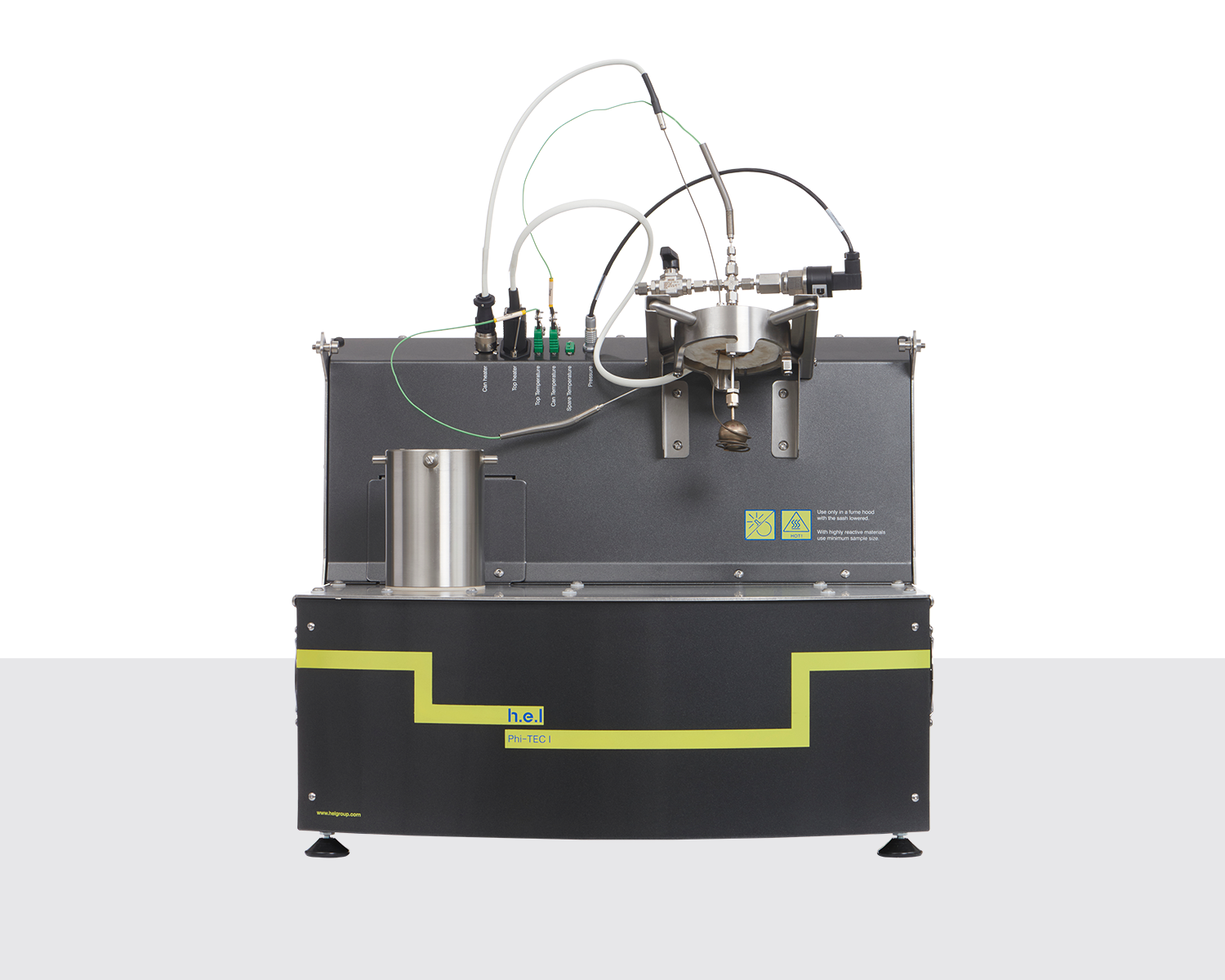
Phi-TEC I & Phi-TEC II — adiabatic (ARC-type) calorimeters for worst-case thermal-runaway data, with low φ-factor cells on the Phi-TEC II for DIERS vent sizing and relief system design.
Read more ↓The TSu and TSu+ — rapid hazard screening on representative samples
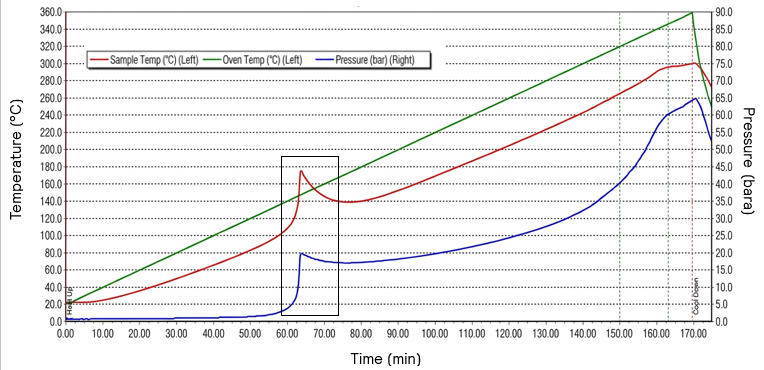
The Thermal Screening Unit (TSu) is a compact instrument for thermal and pressure hazard screening, using representative sample sizes to deliver realistic safety data. By measuring both temperature and pressure, it identifies decomposition behaviour, gas generation and over-pressurisation risk — a more complete alternative to traditional DSC/DTA methods. The TSu+ pairs the same screening station with an open-cell vent evaluation unit, so one bench-top instrument shows whether a reaction can run away and what happens when it does.
TSu
The proven screening tool for solid and liquid chemical compounds. Detects the onset temperature of an exothermic reaction, then records the runaway temperature and pressure hazard — decomposition behaviour, gas generation and over-pressurisation risk in a single test.
TSu+
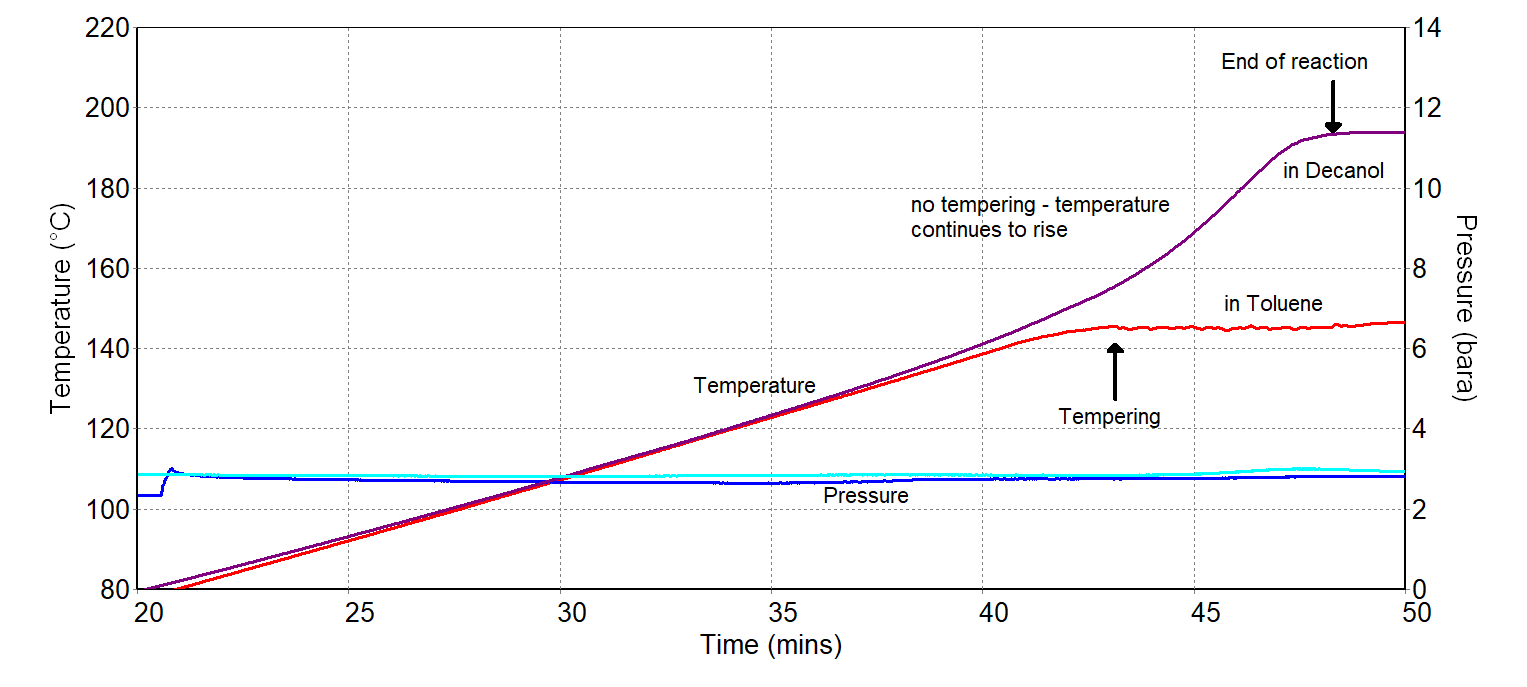
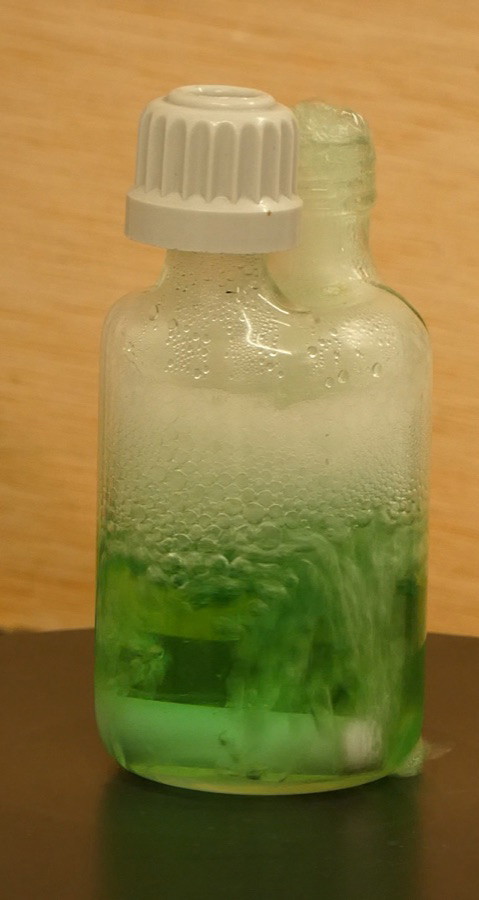
Two key steps in reactor safety screening, on one bench. The classical TSu station plus a 300 mL open-cell vent evaluation unit that shows what governs the rate of pressure rise, and whether the vented material is a two-phase foam or a single-phase fluid.
Compare the TSu and TSu+ side by side →
Conventional DSC / DTA
- Milligram samples — hard to make representative
- Temperature only
- Gas generation and pressure build-up not captured
- Homogeneous samples only
TSu
- 0.5 – 10 mL representative samples
- Temperature and pressure measured directly
- Detects gas generation and over-pressurisation during decomposition
- Non-homogeneous materials and reaction intermediates tested as they are
Shared across both configurations
- Larger, more representative sample sizes — typically 0.5 to 10 mL, supporting samples from under 0.5 g to over 2 g, including non-homogeneous materials and reaction intermediates
- Direct measurement of both sample temperature and pressure, so gas generation and pressure build-up during decomposition are detected — not just the exotherm
- Explosion onset temperatures consistent with data from advanced adiabatic calorimeters; rate of pressure rise and maximum pressure give a direct indication of explosion risk
- Ramped heating, isothermal, dual-ramp, combination and custom test profiles
- Test cells in glass, stainless steel, Hastelloy or titanium — standard and side-thermowell versions
- Automated first- and second-derivative routines identify runaway onset; offline analysis includes Antoine plots and identification of non-condensable gases
- Compact footprint and rapid setup — multiple tests in a single day for high-throughput hazard screening
- WinISO equipment control and data logging; iQ data analysis and plotting; automatic, user-configurable hazard detection and shutdown with hardware and software fail-safes
Specifications
| Specification | TSu | TSu+ |
|---|---|---|
| Test stations | Thermal screening station | Thermal screening station plus open-cell vent evaluation unit, on one base inside one protective enclosure |
| Direct measurement | Sample temperature and pressure, oven temperature | |
| Key data | Runaway onset temperature; sample temperature profile and max T; dT/dt and d²T/dt²; pressure profile and max p; dp/dt and d²p/dt²; residual pressure after cool down | |
| Test-cell materials | Stainless steel, Hastelloy, glass, titanium | |
| Test-cell total volume | 10 mL | |
| Sample volume | Typically 0.5 to 10 mL | |
| Screening temperature range | Ambient to 500 °C | |
| Screening pressure range | Ambient to 150 bar (absolute) | |
| Screening test modes | Ramp, isothermal, dual ramp, combination, custom profiles | |
| Vent evaluation vessel | — | 300 mL pressure vessel in stainless steel with flexible heater |
| Vent evaluation range | — | Ambient to 250 °C; ambient to 100 bar (absolute) |
| Vent evaluation test modes | — | Variable pressure, open-cell test, flow-regime detection test |
| Vent evaluation data | — | Sample tempering temperature at different pressures; presence of foam during venting |
| Software included | WinISO equipment control and data logging; iQ data analysis and plotting | |
| Data formats | .dat (proprietary) and .csv | |
| Safety control | Automatic, user-configurable hazard detection and shutdown; hardware & software fail-safes on every system | |
Highlighted rows are where the two configurations differ — everything else is common to both. Vent sizing from non-adiabatic open test cells such as the TSu+ is an approximate estimate; for definitive vent sizing follow up on the low φ-factor Phi-TEC II. Final values confirmed on specification.
The Simular — reaction calorimetry for process development and scale-up
A highly configurable reaction calorimeter that excels at optimising process conditions and determining safer reaction conditions, with dual reactor options for added flexibility. Alongside traditional heat-flow calorimetry, Simular offers power-compensation calorimetry — skipping time-consuming calibration to screen more conditions — making it ideally suited to process safety and scale-up of the most varied and demanding reactions.
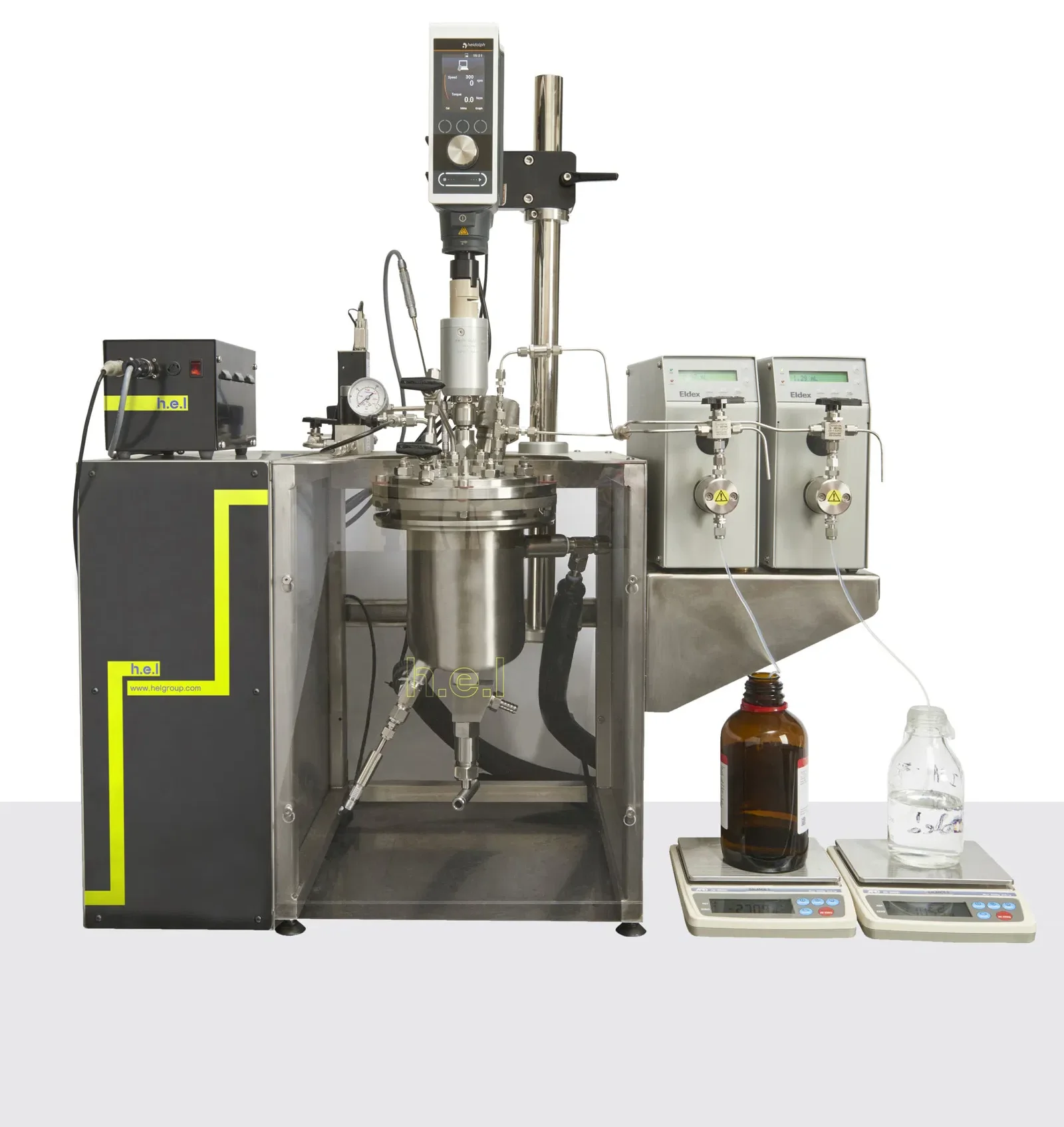
1Control of agitationOverhead stirrer, speed and torque under WinISO control2Power-compensation heaterCalorimetry without the lengthy calibration of heat-flow alone3Jacketed reactor, 250 mL – 5 LBatch and jacket temperature control; glass, 316 stainless or Hastelloy4Precise liquid dosingFeed pumps for controlled addition, high-pressure options5Integral safetyAutomatic, user-configurable shutdown for unattended running6Gravimetric feedEvery addition weighed and logged, in real time- 1Control of agitation — Overhead stirrer, speed and torque under WinISO control
- 2Power-compensation heater — Calorimetry without the lengthy calibration of heat-flow alone
- 3Jacketed reactor, 250 mL – 5 L — Batch and jacket temperature control; glass, 316 stainless or Hastelloy
- 4Precise liquid dosing — Feed pumps for controlled addition, high-pressure options
- 5Integral safety — Automatic, user-configurable shutdown for unattended running
- 6Gravimetric feed — Every addition weighed and logged, in real time
Built to your process
Glass, 316 stainless or Hastelloy C276 · 250 mL to 5 L · vacuum to 200 bar · heat-flow and power-compensation · one WinISO platform
Simular
The stirred, jacketed glass reactor for batch and semi-batch process development — reaction heat, enthalpy and cooling demand with power-compensation or heat-flow calorimetry.
Simular High Pressure
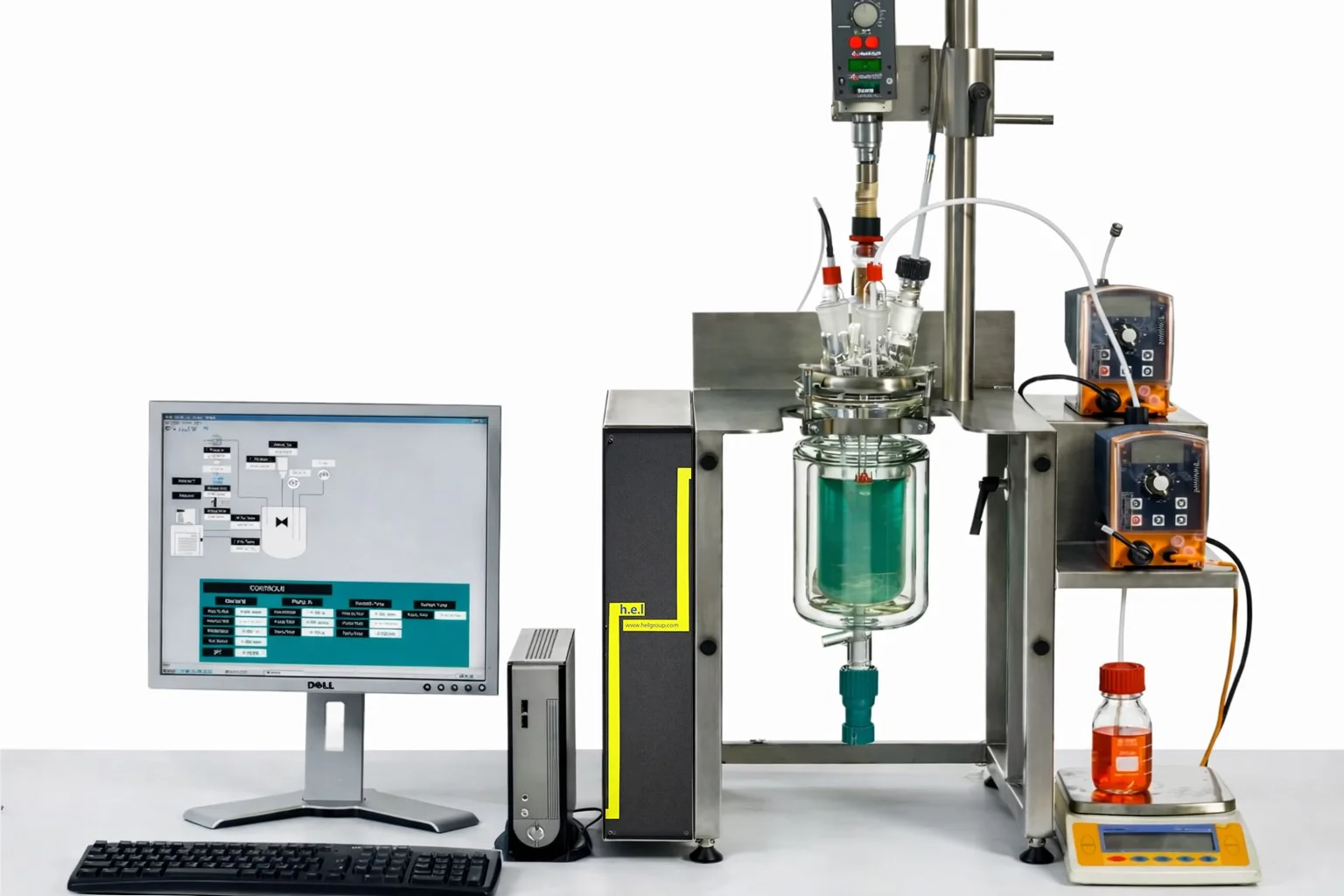
The same calorimeter built around a 316 stainless steel or Hastelloy C276 pressure vessel, for hydrogenations and other pressurised chemistry — with high-pressure dosing pumps and gas feeds.
Dual Simular
An ambient-pressure glass vessel and a high-pressure metal vessel on a custom dual reactor stand — switch between low- and high-pressure applications effortlessly, one system covering both sides of your chemistry.
What the Simular gives you
- Quantifies reaction power and heat release to determine cooling requirements and assess process safety
- Estimates accumulation of unreacted material and potential adiabatic temperature rise
- Power-compensation calorimetry skips time-consuming calibration to screen more conditions; heat-flow as standard, with optional reflux and isoperibolic methods
- Stirred, jacketed reactor with precise control of temperature, feeds and operating conditions — realistic simulation of batch and semi-batch processes under laboratory conditions
- Glass, 316 stainless steel or Hastelloy C276 vessels from 250 mL to 5 L; −80 to 250 °C; vacuum to 100 bar (optional up to 200 bar)
- Integration with probes, feeds and automation tools — temperature, pressure, pH, turbidity and more; third-party in-situ FTIR, particle sizing and Raman
- Optional dual vessel: an ambient-pressure glass vessel plus a high-pressure metal vessel on a larger dual frame, with switching between reactors
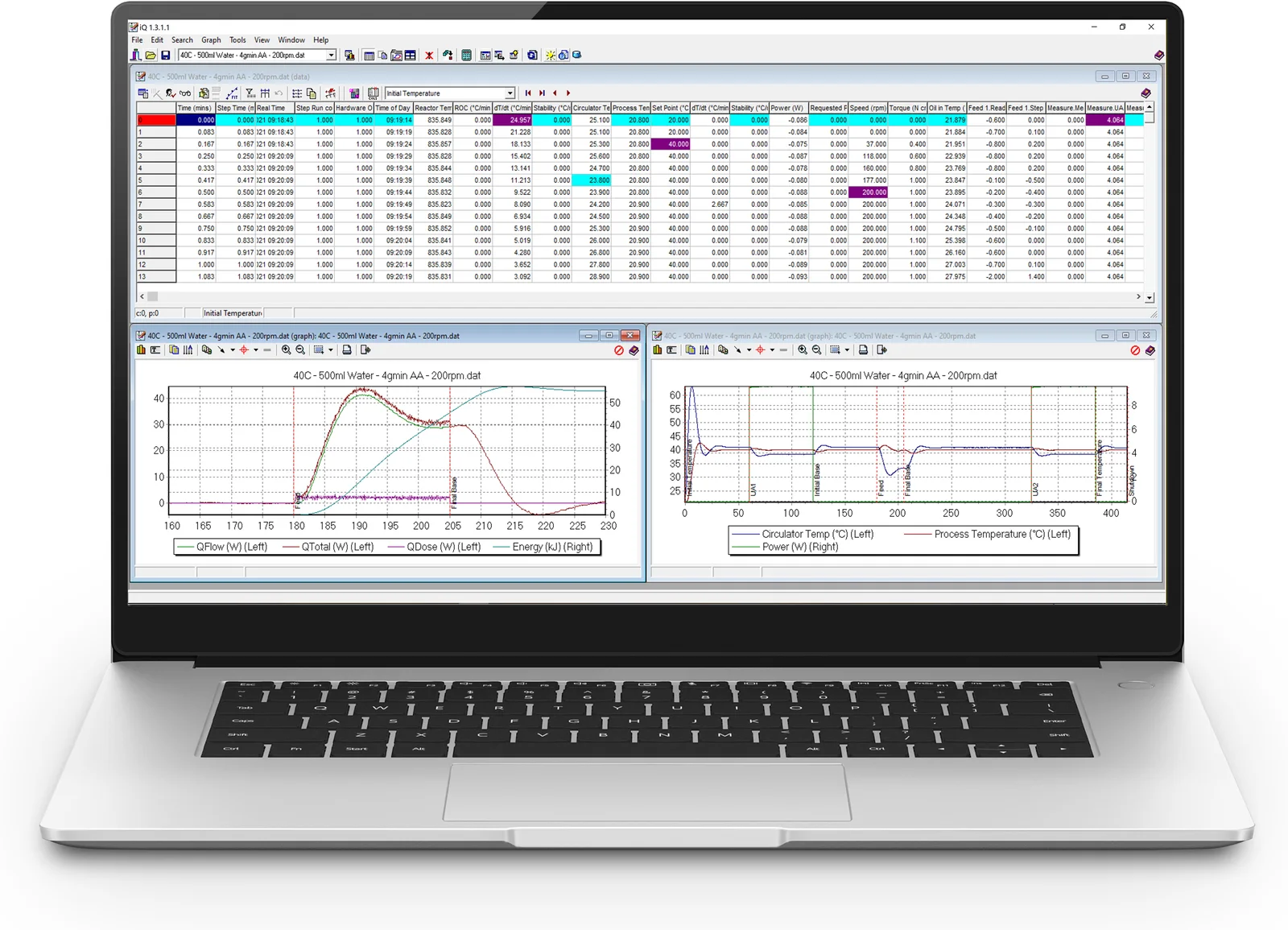
- WinISO software designed for both advanced users and beginners — real-time sensor readings, feedback loops and user-defined experiment plans; automatic, user-configurable shutdown if a safety condition is exceeded
Common control objectives
- Control of batch and jacket temperature
- Control of agitation
- Precise liquid dosing
- Integral safety for unattended operation
- Real-time live data display
- Real-time editing of recipes
- Complete data logging
Watch the Simular video demo →
Download the Simular brochure →
Specifications
| Specification | Simular |
|---|---|
| Typical applications | Process safety, process scale-up, process development and optimisation |
| Vessel material | Glass, 316 stainless steel or Hastelloy C276 |
| Vessel volume | 250 mL to 5 L |
| Dual vessel | Optional — typically an ambient-pressure glass vessel plus a high-pressure metal vessel, with a larger dual frame and switching between reactors |
| Temperature range | −80 to 250 °C (reactor material / circulator dependent) |
| Pressure range | Vacuum to 100 bar (optional up to 200 bar, depending on reactor volume & material) |
| Calorimetry modes | Power-compensation and heat-flow (isothermal); optional reflux and isoperibolic |
| Sensors | Temperature, pressure, pH, turbidity and more; third-party probes (in-situ FTIR, particle sizing, Raman) |
| Software | WinISO — real-time sensor readings, feedback loops, user-defined experiment plans |
| Safety features | Automatic, user-configurable shutdown if a safety condition is exceeded |
Every Simular is configured to the reaction — vessel material and volume, pressure rating, calorimetry modes, probes and feeds are specified around your process.
The Phi-TEC I and Phi-TEC II — worst-case runaway data for safe scale-up
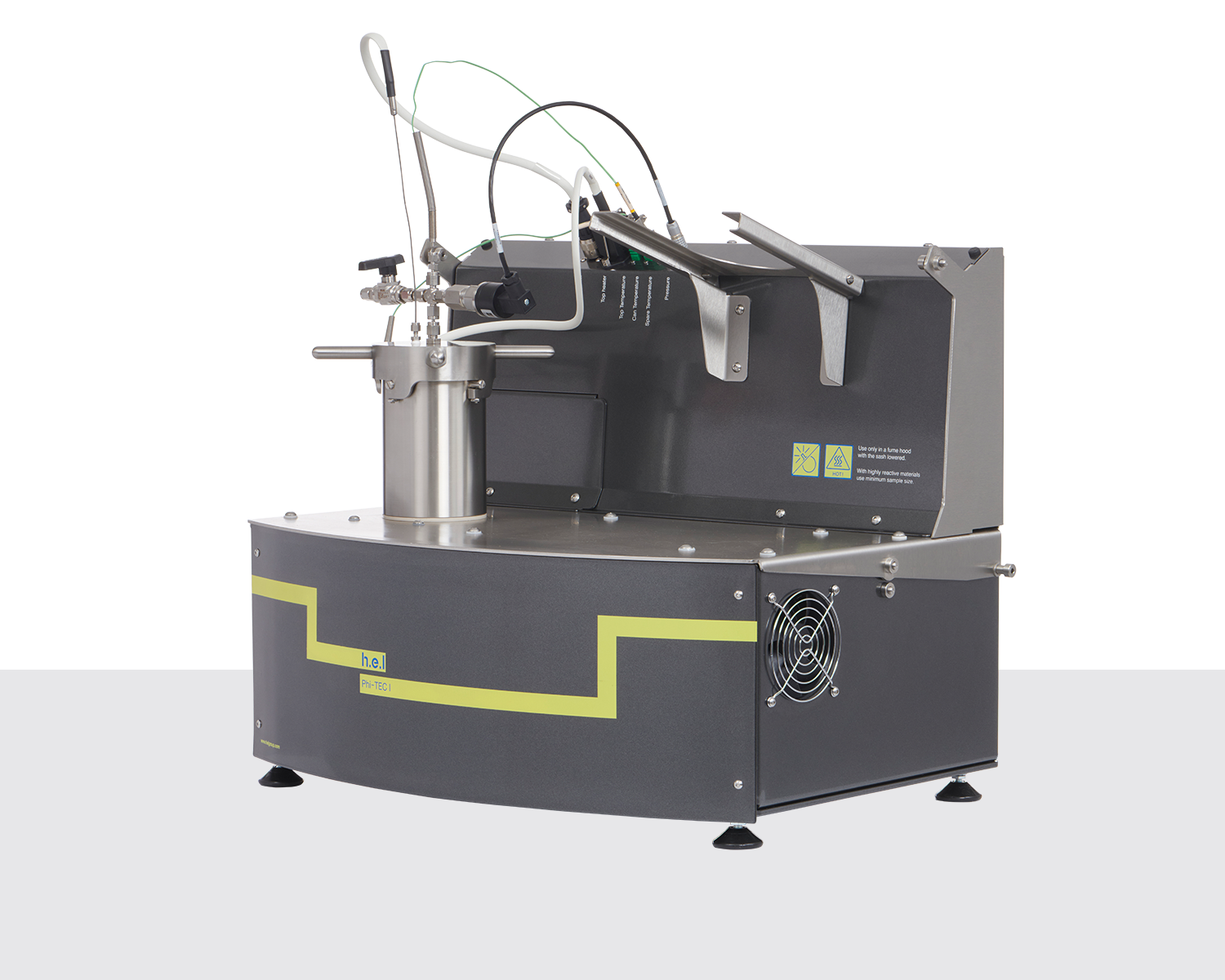
Scaling up a chemical process requires understanding its worst case. Adiabatic (ARC-type) calorimetry, also called accelerating rate calorimetry, simulates thermal runaway with accurate heat retention under industrial conditions. The bench-top Phi-TEC I characterises thermal-runaway hazards during process development and scale-up; the Phi-TEC II supports low φ-factor test cells, fully replicating manufacturing-plant conditions so the measured pressure-rise rate and final temperature represent what would happen in a production-scale incident — the data DIERS vent sizing and emergency relief system design need.
Phi-TEC I
Temperature compensation keeps the surroundings matched to the sample for true adiabatic conditions. Heat-wait-search (the standard accelerating rate calorimetry method used by ARC-type calorimeters), ramped and isothermal methods define onset temperature, adiabatic temperature rise, time to maximum rate and kinetics — with optional 10 kHz acquisition for extremely fast reactions.
Phi-TEC II
Thin-walled test cells and automatic pressure compensation give φ-factor values close to 1. Temperature and pressure rise rates, gas generation and kinetics feed straight into DIERS vent-sizing calculations and emergency relief system design — with high-pressure dosing and injection to replicate plant-scale additions.
Compare the Phi-TEC I and Phi-TEC II side by side →
Shared across both calorimeters
- Adiabatic calorimetry replicates large-volume industrial conditions on a lab scale — the runaway rate is not tempered by the equipment, so measured rates represent a production-scale incident
- Direct sample-temperature measurement and rapid response accurately track exothermic events
- Defines onset temperature (Td), rate of pressure change, adiabatic temperature rise (ΔTad,d) and time to maximum rate (TMRd)
- Heat-wait-search, ramped heating and isothermal test methods; closed- and open-cell adiabatic tests; optional bespoke methods
- Test cells in glass, stainless steel or Hastelloy
- Data for DIERS (Design Institute for Emergency Relief Systems) methodologies — temperature and pressure rise rates, gas generation and reaction kinetics — usable directly in vent-sizing calculations and emergency relief system design
- Studies of process deviations and maloperations; emergency and evaporative cooling, quenching and controlled depressurisation
- Compact bench-top format with small but representative sample sizes
- WinISO software shared across the H.E.L range; automatic, user-configurable hazard detection and shutdown with hardware and software fail-safes
High φ-factor versus low φ-factor testing — which do you need? →
Specifications
| Specification | Phi-TEC I | Phi-TEC II |
|---|---|---|
| Adiabatic method | Temperature compensation — the surroundings track the sample temperature to maintain true adiabatic conditions | Thin-walled test cells plus automatic pressure compensation — φ-factor values close to 1, so measured behaviour reflects real plant conditions with little data correction |
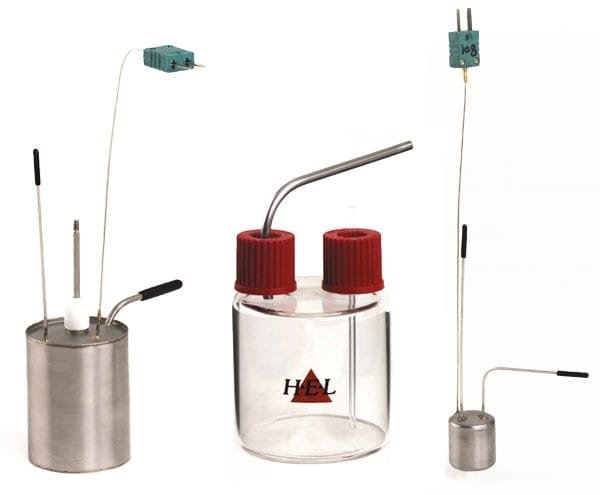
| Test cells | Closed-cell tracking and open-cell | Compatible with low- and high-φ-factor test cells |
| Test-cell material | Glass, stainless steel or Hastelloy | |
| Test-cell total volume | 10 mL | Up to 110 mL (test-cell dependent) |
| Temperature range | −40 to 500 °C | Ambient to 500 °C |
| Pressure range | 0 to 200 bar | 0 to 137 bar |
| Data acquisition | Auto-adjusting for resolution during exotherms; up to 10 Hz default, optional high-rate up to 10,000 Hz for extremely fast reactions | Auto-adjusting for resolution during exotherms |
| Calorimetry modes | Adiabatic (closed-cell tracking & open-cell), heat-wait-search, ramped, isothermal, combination; optional bespoke methods | Adiabatic calorimetry — heat-wait-search, ramped and isothermal; configurable methods to replicate plant conditions |
| Stirring | Test-cell dependent | Indirect magnetic stirrer bar (standard, 300 rpm); optional direct overhead for metal cells & viscous samples |
| Reagent addition | Optional | Optional high-pressure liquid feed pump for controlled dosing; high-pressure injector for rapid addition, replicating plant-scale conditions |
| Key outputs | Td, dP/dt, ΔTad,d, TMRd, reaction kinetics | As Phi-TEC I, plus DIERS vent-sizing data: temperature and pressure rise rates, gas generation, tempering and discharge nature |
| Typical applications | Routine thermal-runaway screening and characterisation, process safety, scale-up | DIERS vent sizing, emergency relief system design, thermal-runaway characterisation, quenching & depressurisation studies, scale-up |
| Software | WinISO — real-time sensor readings, user-defined experiment plans | |
| Safety control | Automatic, user-configurable hazard detection and shutdown; hardware & software fail-safes on every system | |
Highlighted rows are where the two calorimeters differ — everything else is common to both. Final values confirmed on specification.
Compare the process safety range
From the first screen to the final vent size — one process safety platform.
Every instrument runs on the same WinISO software, so methods, data and know-how carry from discovery through process development to scale-up.
Configure it your way
Every process safety system is specified around your chemistry — test cells, vessels, pressure rating, dosing and probes are chosen for your process, not the other way round.
Test cells & vessels
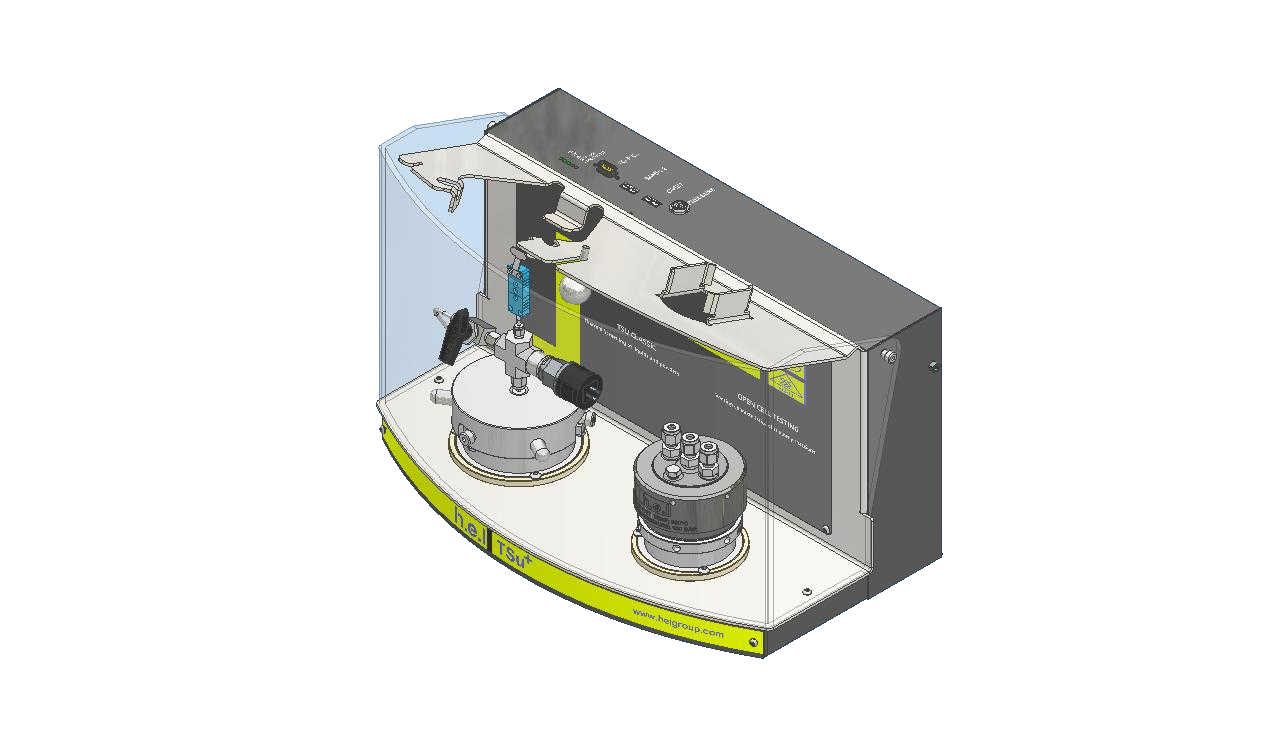
Glass, stainless steel, Hastelloy or titanium screening cells; low- and high-φ-factor cells for the Phi-TEC II; glass, 316 stainless or Hastelloy C276 reactors from 250 mL to 5 L on the Simular.
Dual reactor & high pressure
An ambient-pressure glass vessel plus a high-pressure metal vessel on one Simular frame; pressure options to 200 bar across the range.
Dosing & injection
High-pressure liquid feed pumps for controlled dosing, a high-pressure injector for rapid addition that replicates plant-scale conditions, and automated feeds on the Simular.
Probes, sensors & data
Temperature, pressure, pH and turbidity; in-situ FTIR, particle sizing and Raman on the Simular; optional 10 kHz high-rate acquisition on the Phi-TEC I for extremely fast reactions.
Frequently asked questions
Which process safety instrument do I need?
What is the difference between thermal screening and adiabatic calorimetry?
Are the Phi-TEC calorimeters ARC-type instruments?
What does “low phi-factor” mean, and when does it matter?
Can these instruments size a relief vent?
How is the TSu better than DSC or DTA?
What does the Simular measure?
Is the system customisable to my process?
Selected publications
H.E.L process safety instruments feature in many peer-reviewed studies — these are just six. Subscription or purchase may be required for full access. View all publications →
Related reading
 From Bhopal to Safer Futures: Using Stoessel’s Criticality Index for Process SafetyRead article →
 The Unsung Hero: How the Phi Factor Shapes CalorimetryRead article →
 Top Tips for Getting the Best From Your Vent Sizing CalculationsRead article →
 High Phi-Factor versus Low Phi-Factor TestingRead article →
 The Fundamentals of CalorimetryRead article →
 5 Top Bench-Scale Strategies to Ensure a Smooth Scale-Up ProcessRead article →
The process safety range at a glance
TSu & TSu+
Thermal & pressure hazard screening platform — also available as the TSu+ with vent evaluation
Jump to section ↑Simular
Process-development reaction calorimeter
Jump to section ↑Phi-TEC I
Bench-top adiabatic (ARC-type) calorimeter
Jump to section ↑Phi-TEC II
Low φ-factor adiabatic (ARC-type) calorimeter — vent sizing & thermal runaway
Jump to section ↑Ready to make your process safer?
Talk to a process-safety specialist about hazard screening, reaction calorimetry, thermal runaway and vent sizing for your scale-up.
“The versatility of the automated lab reactors, the ease of use and the accuracy of the TSu and Simular systems… made my work much easier and accurate. This readiness to accommodate each customer’s specific needs gives H.E.L the edge over their competitors.” — Theravance Inc, USA
More testimonials →Identify & mitigate thermal & pressure hazards →