
Battery Safety and Performance Testing Systems
Adiabatic calorimetry for thermal runaway and safe operating limits; isothermal calorimetry for heat generation and efficiency. From a single cell component to a full pack — four instruments on one WinISO platform.
Not sure which? Compare the range side by side ↓
Battery safety & thermal runaway testing
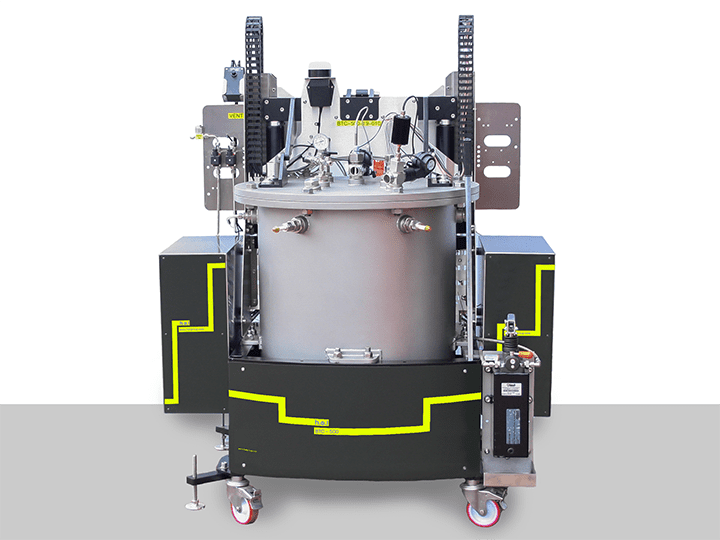
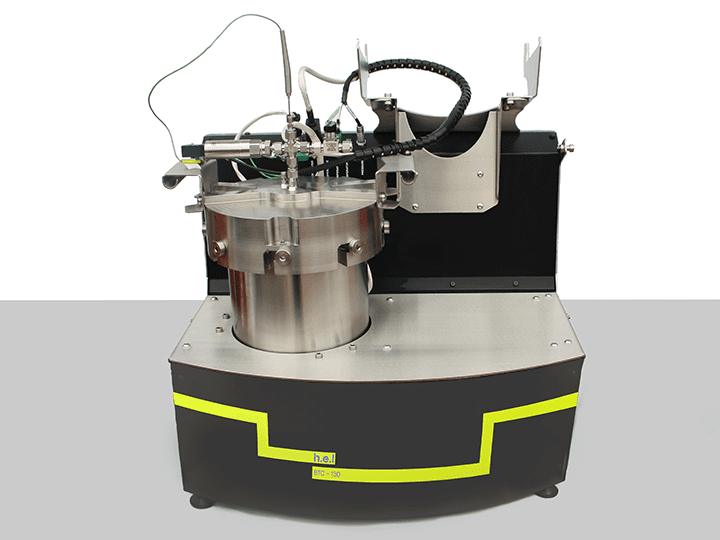
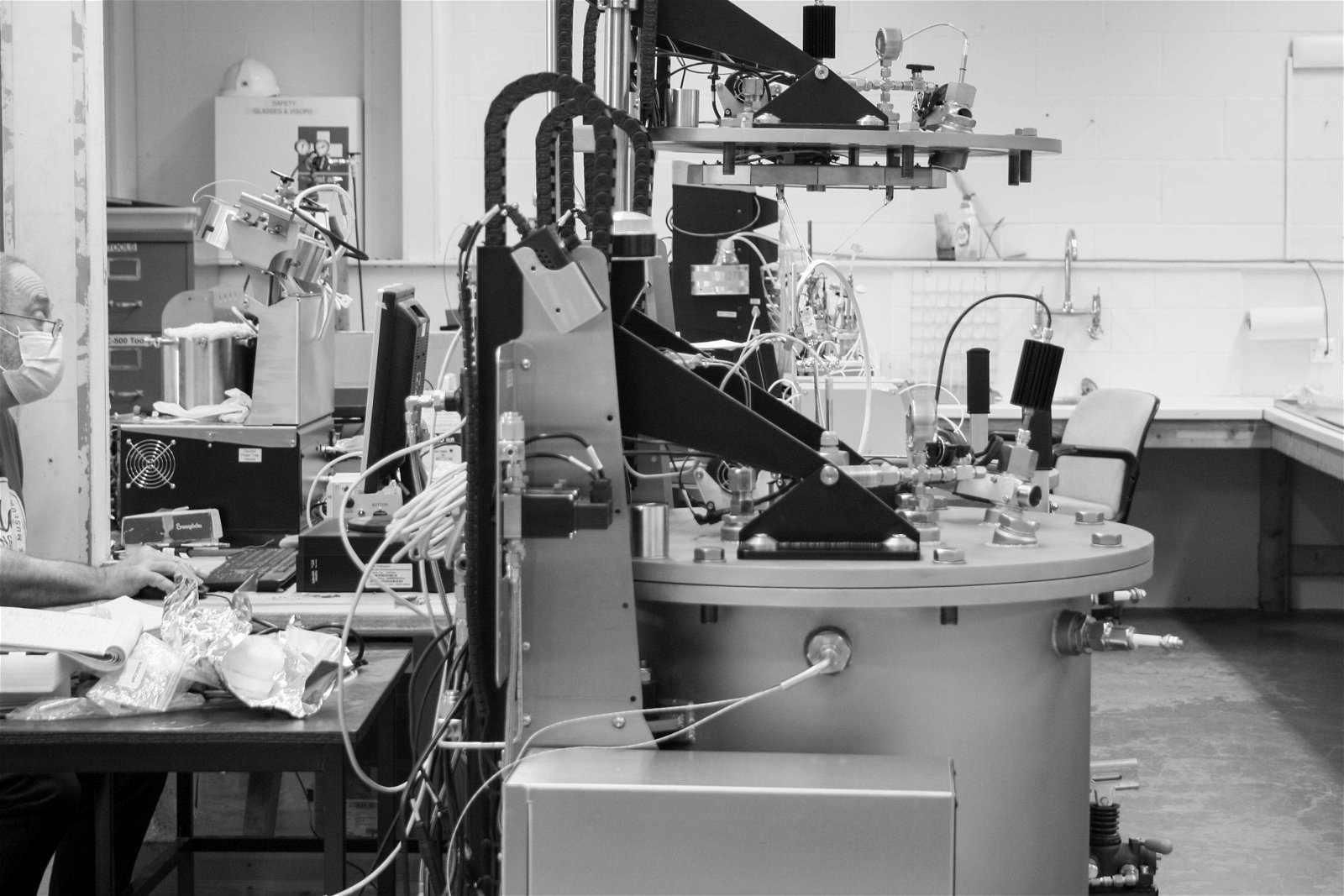
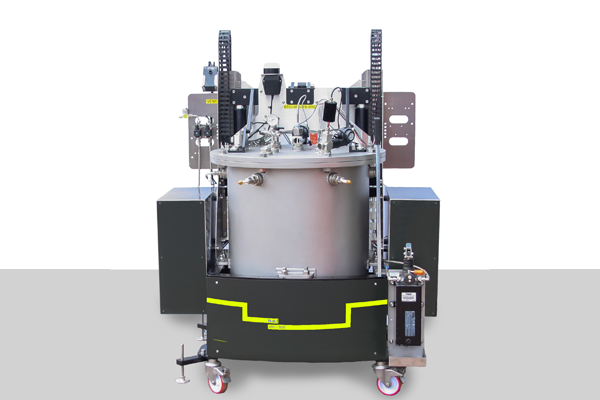
BTC-130 & BTC-500 — adiabatic (ARC-type) calorimetry for mechanical, electrical and thermal abuse testing. Screen cell components and small cells on the bench, then take full cells, modules and packs to runaway in a 500 mm containment chamber.
Read more ↓Battery performance & efficiency testing
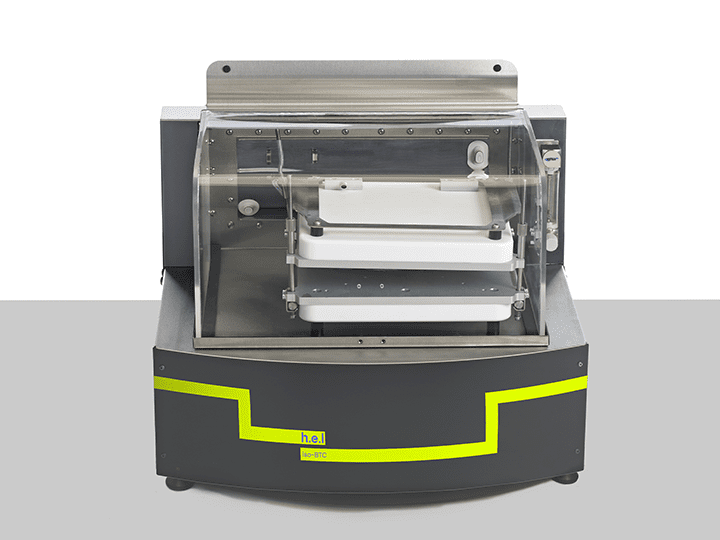
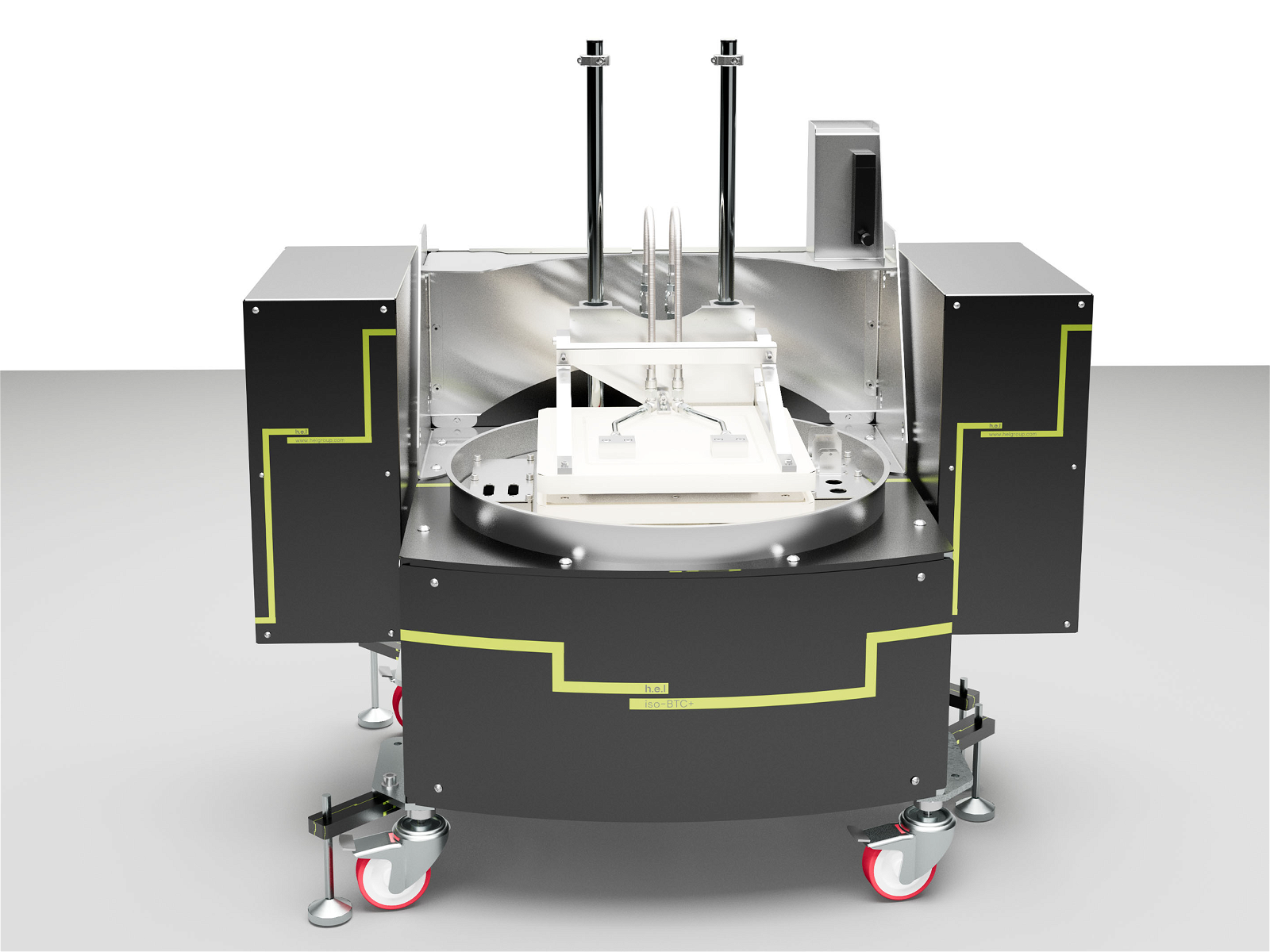
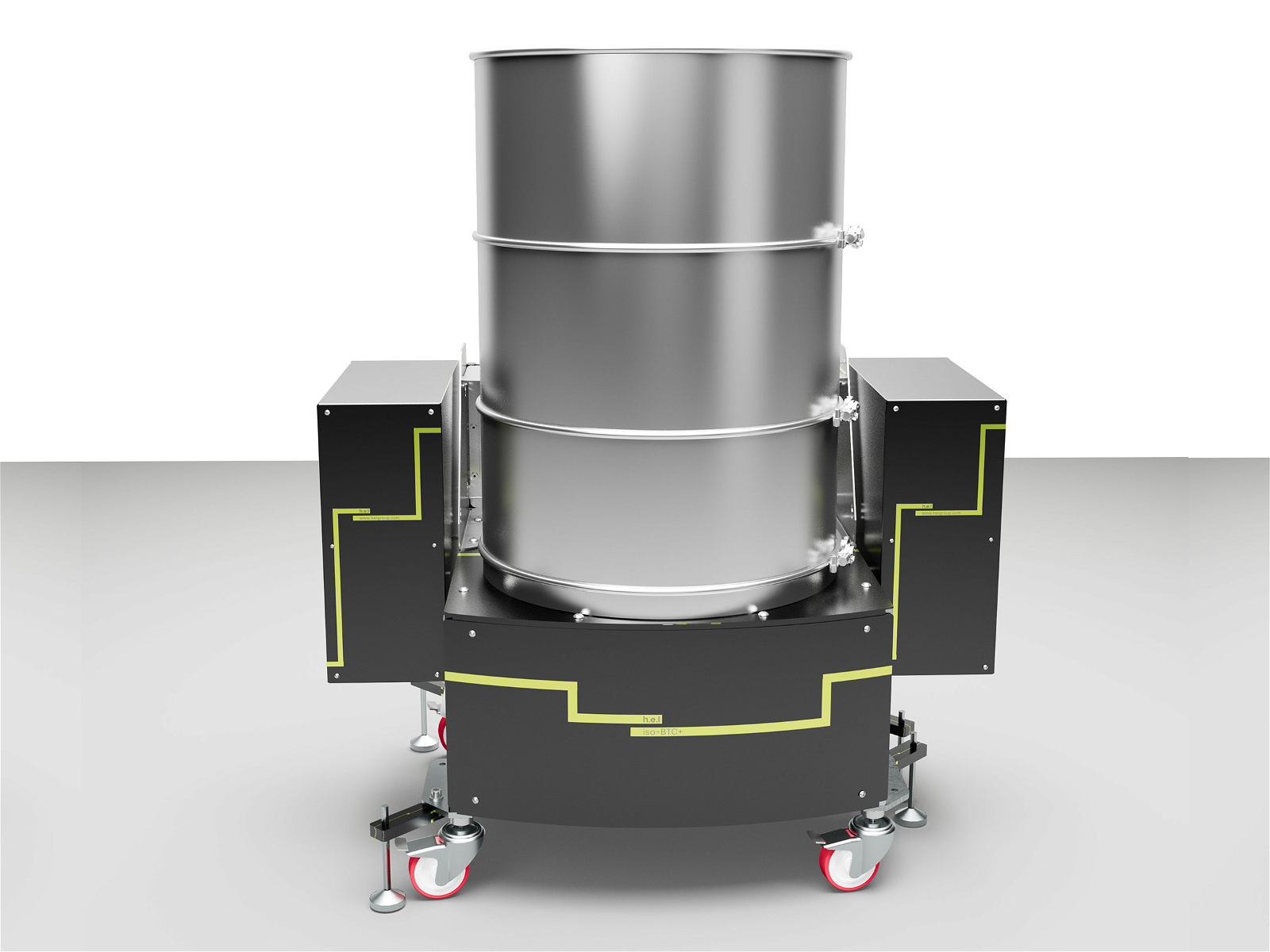
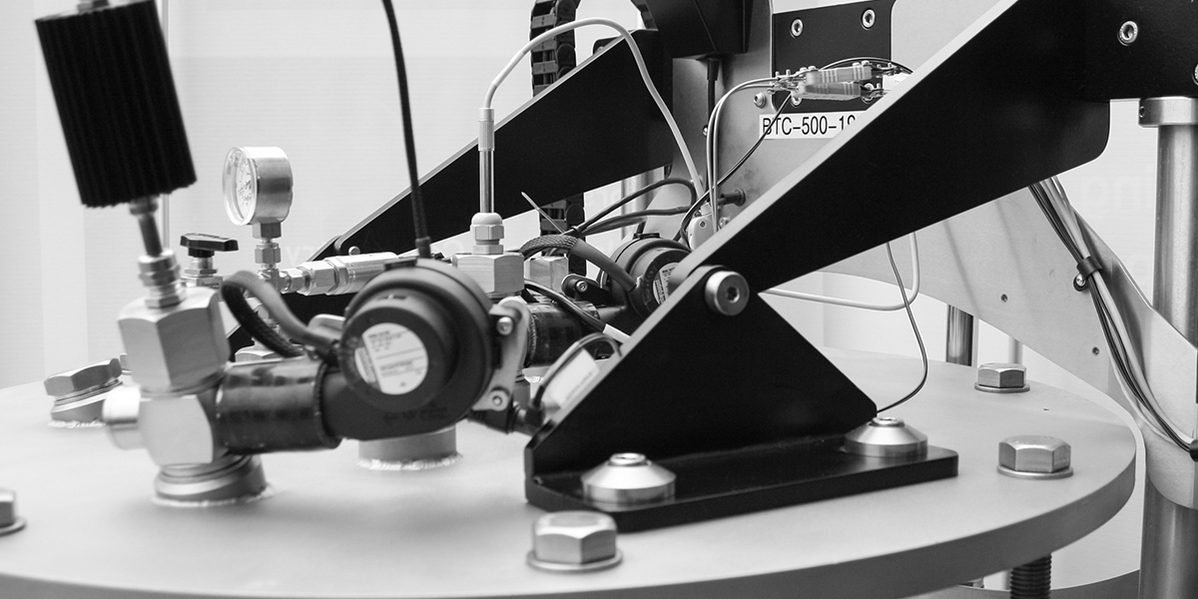
iso-BTC & iso-BTC+ — true isothermal calorimetry with integrated charge–discharge cycling, measuring heat release, efficiency and thermal mapping across C-rates and temperatures, from coin cells to large formats.
Read more ↓The BTC-130 and BTC-500 — adiabatic safety testing from cell components to full packs
A battery only reveals its worst behaviour when it is pushed past its limits. Adiabatic (ARC-type) calorimetry, also called accelerating rate calorimetry, holds the sample in conditions where no heat escapes, so the self-heating, gas generation and pressure rise you measure are the ones a real cell would produce. The BTC-130 screens cell components, coin cells and small cells early in development; the BTC-500 subjects full cells, modules and small packs to mechanical, electrical and thermal stress inside a 500 mm containment chamber, with an integrated camera recording the runaway as it happens. Every system is fully customisable to your requirements.
BTC-130
Screen the thermal stability of cell components, coin cells and small cells under adiabatic conditions — catching low self-heating, rapid pressure rise and toxic-gas risks early, before full cell development. Understanding how individual components behave under temperature is what turns early thermal data into safe cell-design decisions.
BTC-500
Subject cells, modules and packs to mechanical, electrical and thermal stress and capture precise thermal-runaway data under real, worst-case conditions. Engineered for true adiabatic accuracy — 316 stainless steel with an aluminium heat spreader and H.E.L’s HLC calibration for effectively zero heat loss — and built to contain.
Environmental chamber
- Holds a set temperature — the cell’s own heat is carried away
- Self-heating is damped by the surroundings
- Onset and runaway rates are under-estimated
- No pressure or gas data from the cell itself
Adiabatic calorimeter
- Tracks the sample temperature so no heat is lost
- Self-heating develops as it would in a real cell or pack
- Onset temperature, dT/dt, Tcr and adiabatic temperature rise measured directly
- Pressure rise, gas evolution and propagation captured with the exotherm
Shared across both configurations
- Adiabatic conditions — no heat is lost to the surroundings, so a runaway develops as it would in a real cell, module or pack
- Mechanical, electrical and thermal stress testing: overcharge, over-discharge, external short circuit, nail penetration and rapid charge / discharge
- Establishes safe working temperature, voltage and current from adiabatic temperature-rise and over-charge / over-discharge testing
- Detects the indicators that matter early — low self-heating temperatures, rapid pressure increases and toxic-gas production
- Robust 316 stainless-steel construction, engineered to withstand explosions during worst-case testing
- Data acquisition up to 10,000 Hz, so the fastest events in a runaway are captured, not averaged away
- Heat capacity (MCp) and adiabatic temperature-rise measurement, plus self-heat rate (dT/dt) and critical temperature (Tcr)
- WinISO equipment control and data logging, with automated safety monitoring and user-configurable shutdown
Case study: runaway testing on a 790 Ah utility-scale cell →
Standards & compliance
Testing on the BTC-130 and BTC-500 is aligned to these battery safety standards and protocols. Test methods are built as WinISO recipes, so a validated protocol is repeated exactly, run after run.
Specifications
| Specification | BTC-130 | BTC-500 |
|---|---|---|
| Measurement type | Adiabatic calorimetry | |
| Format | Bench-top | Large-scale, floor standing |
| Temperature range | Ambient to 500 °C | −40 to 500 °C |
| Test chamber | Ø130 mm × 200 mm high | Ø500 mm × 500 mm high |
| Cell & sample sizes | Cell components, coin cells, small pouch & cylindrical cells | Cylindrical, prismatic & pouch cells, and small modules |
| Typical use | Component and small-cell hazard screening — thermal stability before full cell development | Full-scale safety testing of cells, modules and packs under worst-case conditions |
| Heat loss | — | 0% — aluminium heat spreader with H.E.L’s proprietary HLC calibration, compensating for the environment in real time |
| Thermal-runaway camera | — | Integrated — visually captures runaway and cell-to-cell propagation |
| Containment | Robust 316 stainless-steel construction, engineered to withstand explosions | Containment vessel, N₂ purge and automatic shutdown — built to withstand high-capacity cell explosions |
| Data acquisition | Up to 10,000 Hz | |
| Instrument size (W×D×H) | 700 × 600 × 800 mm | 1200 × 900 × 1980 mm |
| Options | Integrated charge cycler, nail-penetration testing, heat-capacity evaluation, spherical test cells for component testing | Chamber options, integrated charge cycling, nail penetration, external shorting, automated gas analysis |
| Standards alignment | UN 38.3 · SAE J2464 · ECE R100 Rev3 · GB/T 36276-2023 · SAND2017-6925 · AIS 048:2009 | |
| Software | WinISO equipment control, data logging and analysis | |
Highlighted rows are where the two instruments differ — everything else is common to both. A dash means the feature is not part of that instrument’s standard specification. Every system is configured to your requirements; final values confirmed on specification.
The iso-BTC and iso-BTC+ — isothermal calorimetry for heat and efficiency
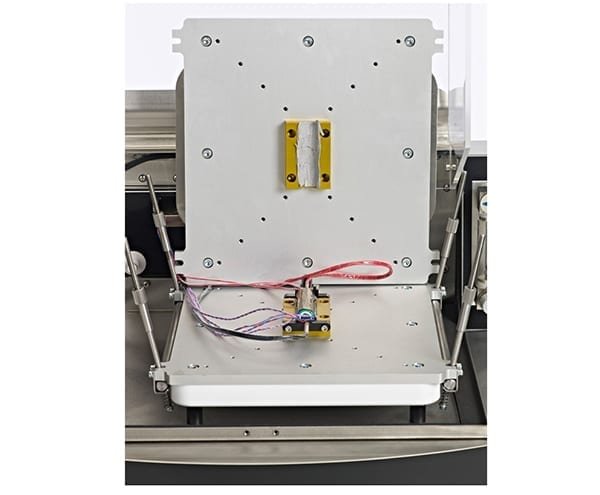
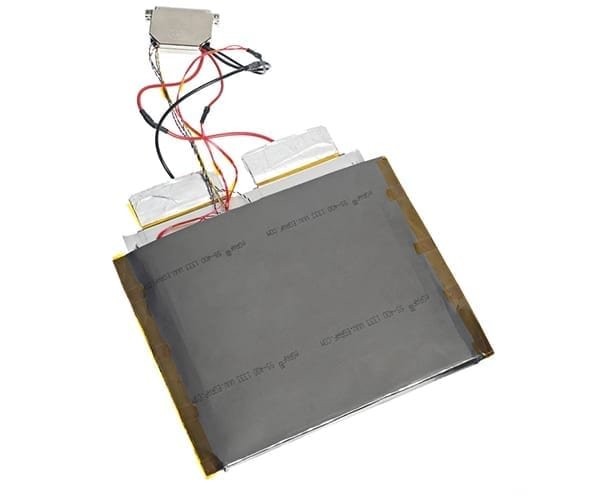
Every inefficiency in a cell ends up as heat. Isothermal calorimetry holds the cell at a set temperature and measures exactly how much heat it releases while it is charged and discharged, so efficiency, C-rate behaviour and the effect of chemistry, electrodes and ageing can be quantified rather than estimated. The iso-BTC covers coin to small pouch cells on the bench; the iso-BTC+ extends the same technique to larger formats and higher capacities, with higher sensitivity, up to 200 W measurable power and advanced thermal mapping. Every system is fully customisable to your requirements.
iso-BTC
Measure heat generation and efficiency with true isothermal calorimetry and integrated charge–discharge cycling — revealing how chemistry, cell type, temperature and age drive real-world performance across small to medium cells, with optional thermal mapping for hot-spot detection.
iso-BTC+
Advanced isothermal calorimetry for larger cells and higher capacities — higher sensitivity for subtle thermal changes, up to 200 W measurable power across two 100 W zones, and advanced thermal mapping with multipoint sample temperature measurement. Suited to research and quality control alike.
Shared across both configurations
- True isothermal calorimetry — heat output measured under stable, real-world temperature conditions rather than inferred from a temperature rise
- Integrated charge–discharge cycling records electrical performance and heat evolution simultaneously, on the same time base
- Reveals how chemistry, electrodes, cell format and cell age drive heat generation and efficiency
- Heat release profiles, battery efficiency and charge / discharge capacity across C-rates and temperatures
- Cycle-life performance measured with the thermal signature that goes with it
- Thermal mapping locates regions of higher heat generation and hot spots, so thermal management can be targeted where it is needed
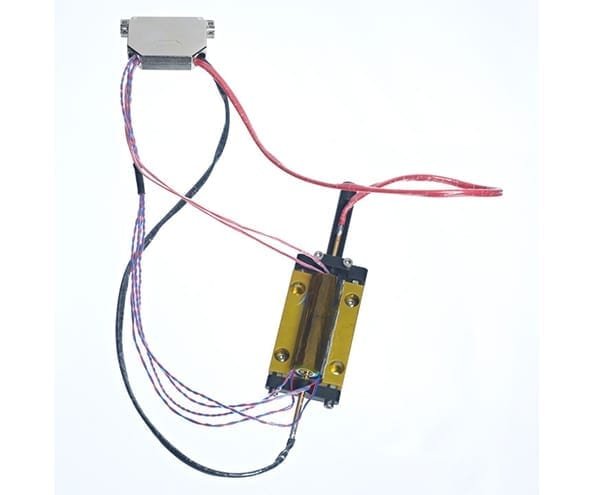
- Custom battery adaptors for a wide range of cell sizes and formats
- WinISO equipment control and data logging, with automated safety monitoring and rapid data capture
Specifications
| Specification | iso-BTC | iso-BTC+ |
|---|---|---|
| Measurement type | Isothermal calorimetry | |
| Format | Bench-top | Floor standing |
| Temperature range | −20 to 90 °C | |
| Test chamber | 255 × 275 mm (W × D) | 350 × 350 mm (W × D) |
| Cell & sample sizes | Coin, cylindrical, small prismatic & small pouch cells | Cylindrical, prismatic & pouch cells — larger formats and higher capacities |
| Maximum measurable power | — | 200 W (2 × 100 W zones) |
| Sensitivity | Standard isothermal sensitivity | Higher sensitivity — detects subtle thermal changes |
| Thermal mapping | Optional | Advanced, with multipoint sample-temperature measurement |
| Charge–discharge cycling | Integrated charge cycler — performance and heat evolution recorded together | |
| Data acquisition | Up to 10 Hz | |
| Instrument size (W×D×H) | 600 × 550 × 750 mm | 1200 × 900 × 1980 mm |
| Options | Integrated charge cycling, heat-capacity evaluation, thermal mapping, custom battery adaptors | |
| Software | WinISO equipment control, data logging and analysis | |
Highlighted rows are where the two instruments differ — everything else is common to both. A dash means the value is not part of that instrument’s standard specification. Every system is configured to your requirements; final values confirmed on specification.
Compare the battery testing range
From a single cell component to a full pack — one battery testing platform.
Safety and performance instruments share the same WinISO software, so test methods, data and know-how carry from early screening through to production quality control.
Configure it your way
Every battery testing system is specified around your cells — chamber, adaptors, cycling, abuse testing and gas analysis are chosen for the formats and protocols you actually run.
Charge–discharge cycling
Integrated charge cyclers on both the safety and performance lines, so electrical performance and heat evolution are recorded on the same time base — including rapid charge / discharge and cycle-life protocols.
Abuse testing options
Nail penetration, external shorting, overcharge and over-discharge, plus an integrated thermal-runaway camera and automated gas analysis on the BTC-500, and spherical test cells for component testing on the BTC-130.
Adaptors & thermal mapping
Custom battery adaptors for coin, cylindrical, prismatic and pouch formats; optional thermal mapping on the iso-BTC and advanced multipoint mapping on the iso-BTC+ for hot-spot detection.
Containment & safety
316 stainless-steel construction throughout, containment vessel with N₂ purge on the BTC-500, and automatic, user-configurable hazard detection and shutdown with hardware and software fail-safes on every system.
Frequently asked questions
Which battery testing instrument do I need?
What is the difference between adiabatic and isothermal calorimetry?
Are the BTC calorimeters ARC-type battery calorimeters?
Why not just use an environmental chamber?
Which safety standards does the testing support?
What cell sizes and formats can be tested?
Can the systems cycle cells while measuring heat?
Is the system customisable to my testing needs?
Selected publications
H.E.L battery calorimeters feature in many peer-reviewed studies — these are just six. Subscription or purchase may be required for full access. View all publications →
Related reading
H.E.L’s BTC-500 Completes Thermal Runaway Testing on a 790 Ah Utility-Scale Battery CellRead article →Adiabatic Calorimetry in Battery Testing: The Key to Understanding and Preventing Thermal RunawayRead article → Benefits of Isothermal Calorimetry for EV ManufacturingRead article →
 Calorimetry and Environmental Chambers for Battery Testing: What Are the Differences?Read article →
 Top 5 Factors to Consider When Designing the Perfect BatteryRead article →
 What Are Thermal Runaways, and Why Should We Care About Them?Read article →
The battery testing range at a glance
BTC-130
Bench-top adiabatic (ARC-type) calorimeter — component and small-cell hazard screening
Jump to section ↑BTC-500
Large-scale adiabatic (ARC-type) calorimeter — cells, modules and packs to thermal runaway
Jump to section ↑iso-BTC
Bench-top isothermal calorimeter — heat generation and efficiency, small to medium cells
Jump to section ↑iso-BTC+
Floor-standing isothermal calorimeter — larger formats, higher sensitivity, 200 W
Jump to section ↑Ready to test your cells?
Talk to a battery specialist about safety testing, thermal runaway, heat generation and efficiency for your cell formats and standards.
“We at TUV Rheinland consider ourselves to be quite fortunate in finding a vendor like H.E.L as the supplier of our Adiabatic Battery Testing Calorimeter… H.E.L’s expertise and experience in calorimetry has proven to be one of their strongest assets. We feel this BTC system has been a key factor to the success of our laboratory.” — TUV Rheinland Battery Laboratory, Japan
More testimonials →Solutions in battery technology testing →