Biotechnology
Turning Syngas into Sustainable Chemicals: Can Microbes Replace Fossil Feedstocks?
Explore how microbial fermentation can convert syngas and waste gases into sustainable chemicals, fuels, and valuable industrial products.

Biotechnology
Explore how microbial fermentation can convert syngas and waste gases into sustainable chemicals, fuels, and valuable industrial products.
Explore how precision fermentation uses engineered microbes to produce proteins and ingredients for alternative foods—and the bioprocess challenges ahead.
Inside TU Berlin's KIWI-biolab, where fermentations run for seven days with minimal manual intervention - and what closing that loop actually takes.

How engineered microbes are turning captured CO₂ into chemicals, fuels and materials — and why gas transfer, not genetics, is usually the step that decides whether a carbon-negative process reaches manufacturing scale.
Automation and high-throughput experimentation are increasingly demanding in modern ...
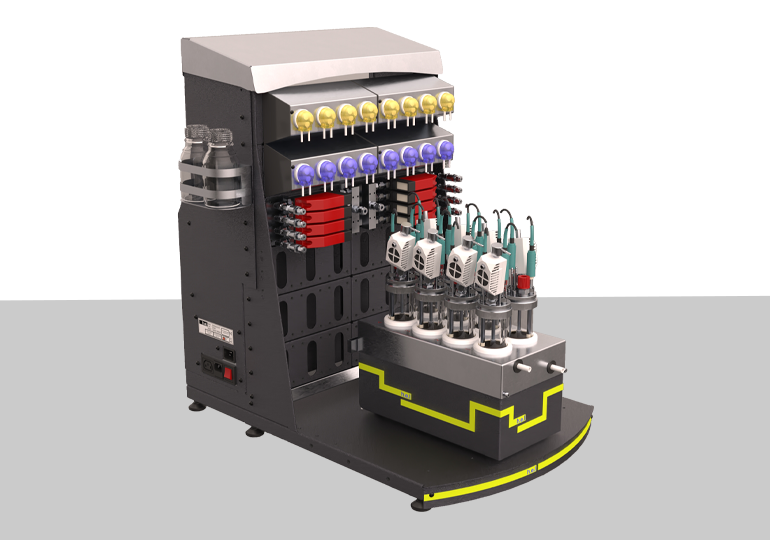
Achieving consistent, high-density microbial growth is one of the biggest ...
The global population is expected to reach nearly 10 ...
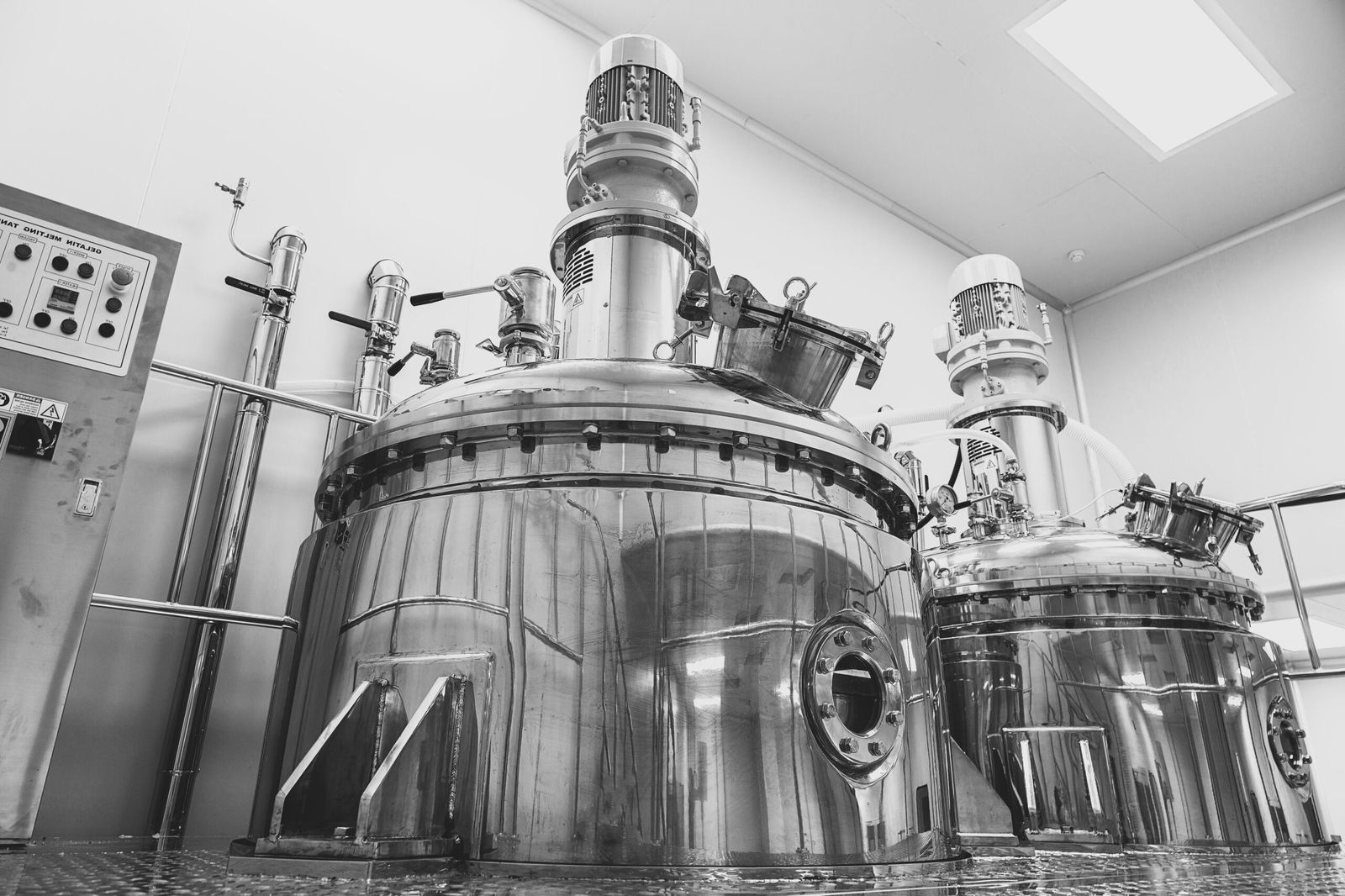
In today’s competitive bioprocessing landscape, effective and seamless scaling up ...

Biomanufacturing is a complex process that requires balanced conditions ...
The industry has faced a multitude of challenges historically: reducing ...

Introduction The human gastrointestinal microbiome comprises trillions of microorganisms ...
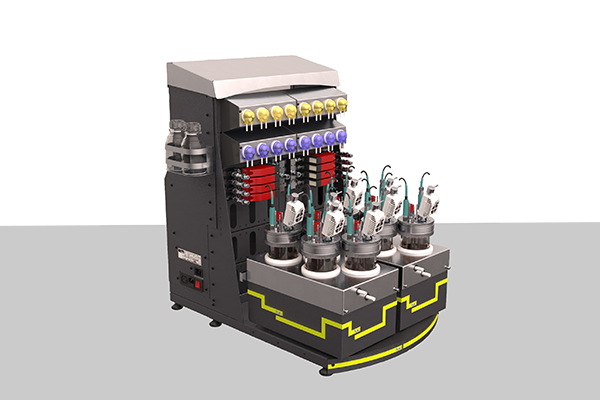
The sheer amount of microorganisms in our bodies (in the ...

The digestive process can be regarded as a journey. ...
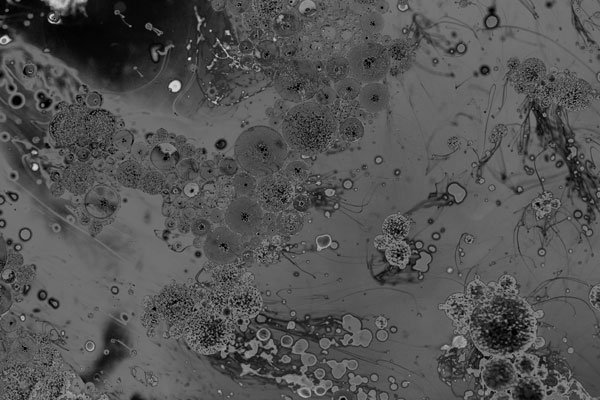
Humans are never alone. Alongside us, there is a thriving ...

There is a growing trend in social media in ...

The Thermodynamic Foundation “In this house, we obey the ...
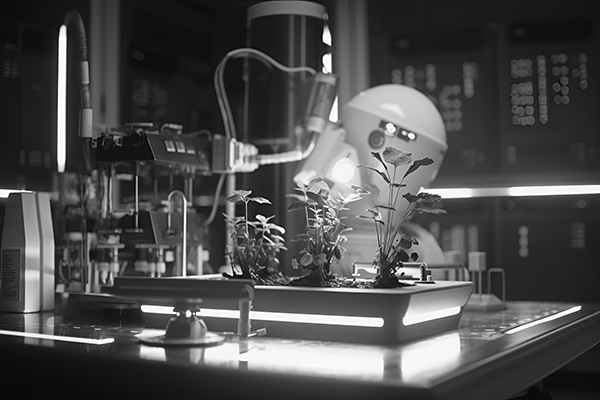
Challenges in the 21st century The ...
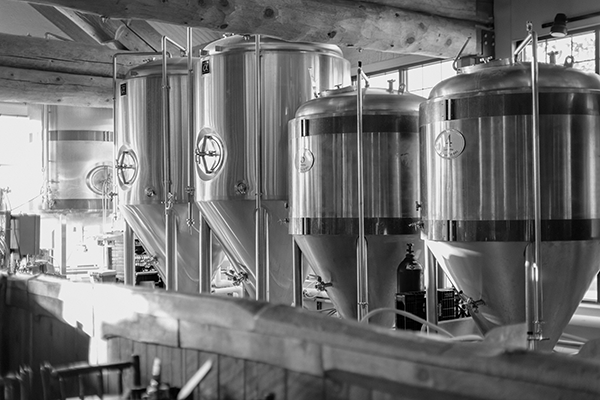
Bioreactors are a cornerstone for current biotechnology and industrial ...
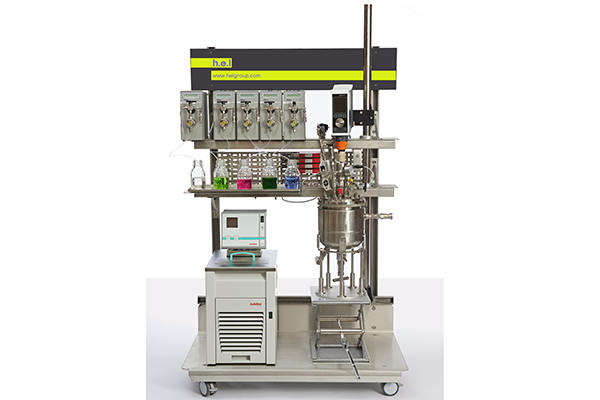
At some point over 10,000 years, humans found themselves ...

In recent months, shortages of sterile plastic “growbags” have ...
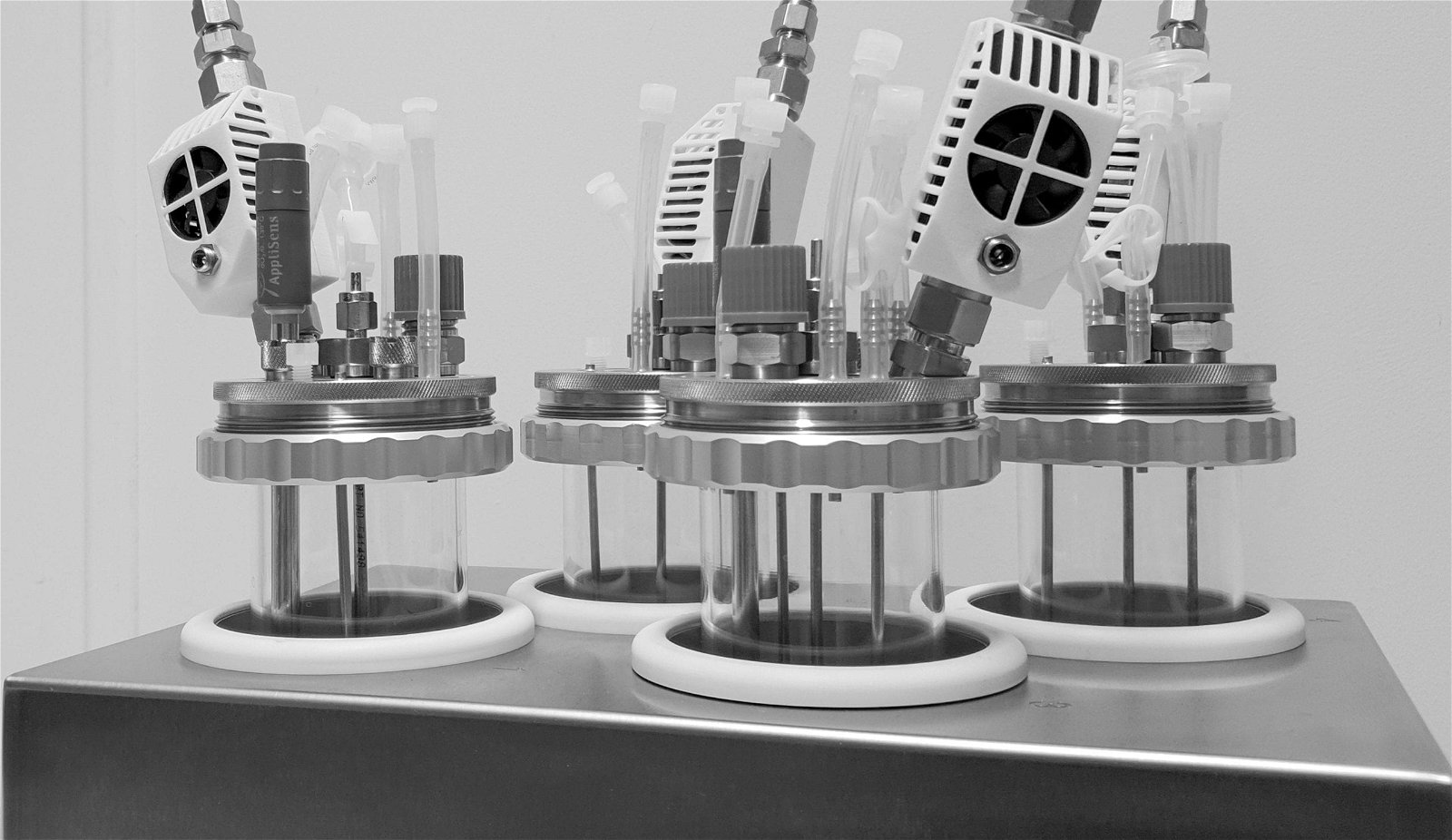
We’ve been continuing our literature research, this time focusing on ...
© 2026 HEL Limited | Registered In England Company No. 02147149 | VAT: GB293267182