CrystalSCAN
Fully customisable automated parallel crystallization screening — up to 8 reactors, solubility & MSZW in one run
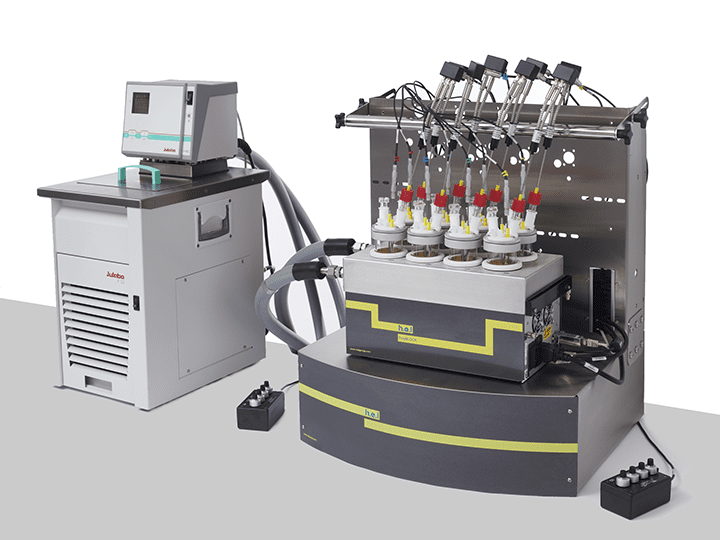
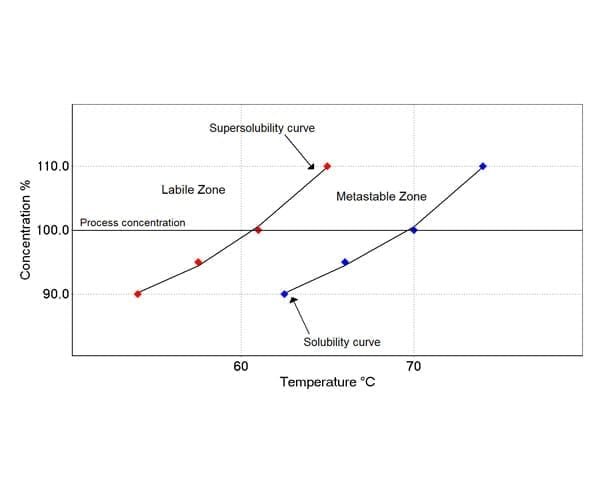
CrystalSCAN is an automated parallel crystallization reactor system for solubility-curve determination and metastable zone width analysis. Equipped with proprietary CrystalEYES probes, it enables real-time detection of dissolution and nucleation events across multiple reactors. Its compact, high-throughput design supports efficient crystallization screening and process optimization.
Overview
Automated Crystallization Screening
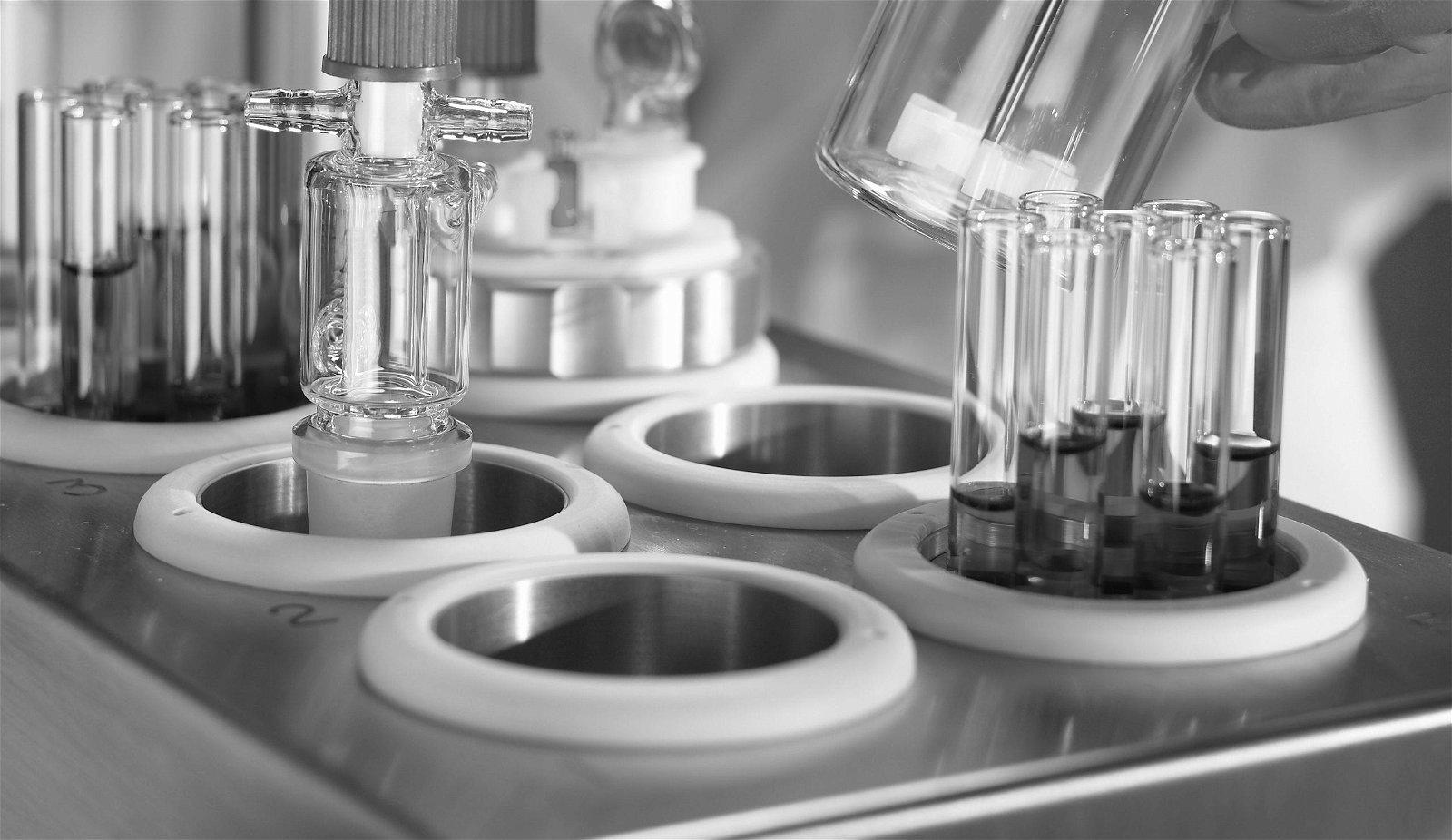
A high-throughput platform typically configured with eight independently controlled reactors. It enables simultaneous small-scale experiments — ideal for crystallization screening, solubility studies and process optimization — evaluating multiple conditions in parallel within a single streamlined run.
Real-Time Crystallization Monitoring
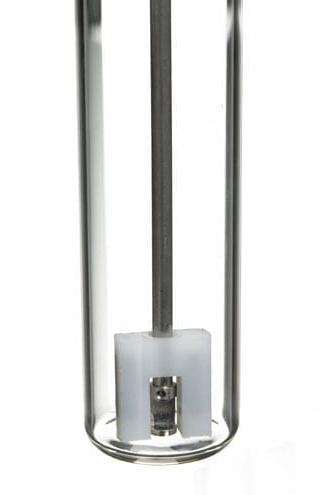
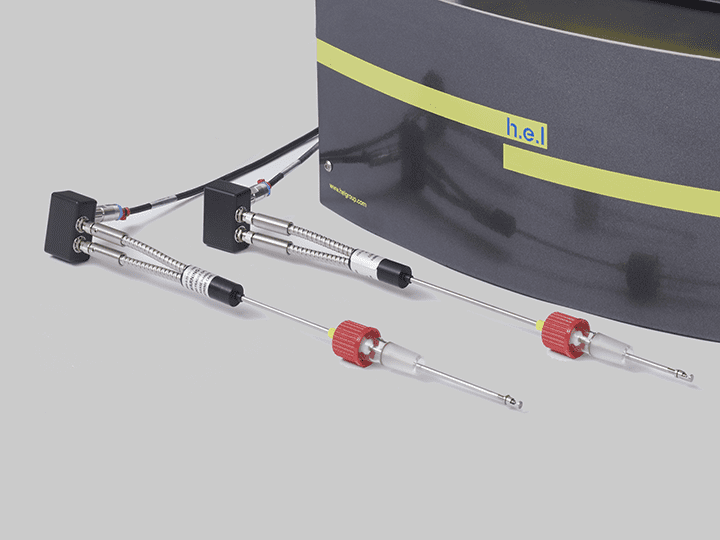
Each reactor is equipped with CrystalEYES monitoring technology for accurate, real-time detection of dissolution and nucleation — precise determination of solubility curves and metastable zone width.
Integrated Automation & Control
Automated control of stirring, heating, cooling and liquid dosing, typically through integrated syringe pumps — consistent, repeatable conditions with reduced manual intervention and improved workflow efficiency.
High Throughput & Efficiency
Running multiple independent experiments simultaneously significantly increases productivity and reduces development time. All data is captured within a single system for efficient comparison and analysis across experiments, in a compact, space-efficient footprint.
Key specifications
| Reactors | 8 samples in parallel (up to 120 mL); 4-sample version optional (up to 500 mL) |
|---|---|
| Sample volumes | Interchangeable, 2 mL to 500 mL |
| Temperature range | −60 °C (circulator-dependent) to +200 °C |
| Temperature control | Independent per sample — each has its own sensor and controller (>100 °C range at any time) |
| Measurement | Accurate solubility & MSZW data; works in clear and dark / colored solutions without set-up change |
| Monitoring | Proprietary CrystalEYES NIR turbidity probes + WinISO software |
| Agitation | Independent magnetic stirring per zone (individual magnets & motors); magnetic fleas, suspended mechanical, or overhead (high-speed / high-torque). Innovative stirrer design prevents crystal damage |
| Reactor vessels | HPLC vials, test tubes, reaction tubes, flat-bottom flasks, custom & high-pressure vessels — working volumes 1 mL to 500 mL |
| Reflux / inerting | Optional quick-connect manifold & block for condensing and inerting in larger reactors |
| Automation | Automated dilution / solvent addition via integrated syringe pumps |
| Platform | Built on H.E.L’s multi-reactor PolyBLOCK platform |
Applications
Turbidity sensing, control & software
CrystalSCAN uses the H.E.L CrystalEYES system, which utilizes proprietary turbidity sensors and WinISO Control software for accurate detection of solubility and recrystallization points. The software detects these points from sharp changes in signal, displayed graphically in real time for immediate interpretation.
A Near-Infrared (NIR) source sends light through the solution and back to a detector via a mirror — as particles increase, intensity drops and turbidity rises. The probes are simple, robust and cost-effective, constructed in hard-wearing Hastelloy for excellent chemical compatibility, and measure equally well in clear or dark / colored solutions.
See our technical literature and application notes for worked crystallization examples.
Frequently asked questions
What is CrystalSCAN used for?
How many samples can it run in parallel?
How does it detect dissolution and nucleation?
What temperature range does it cover?
What vessels and volumes does it accept?
Is it fully automated?
Selected publications
Subscription or purchase may be required for full access. View all publications →
Explore the range
Related reading
Ready to accelerate your crystallization screening?
Talk to a specialist about reactor configuration and sample sizes for your workflow.
“The system is easy to use and very robust and records faithfully all the happenings… The amount of data that the computer will hold from a run is astonishing, and the help from the technical team is always there.”